Bali in July & August 2026: Weather, Crowds & Tips

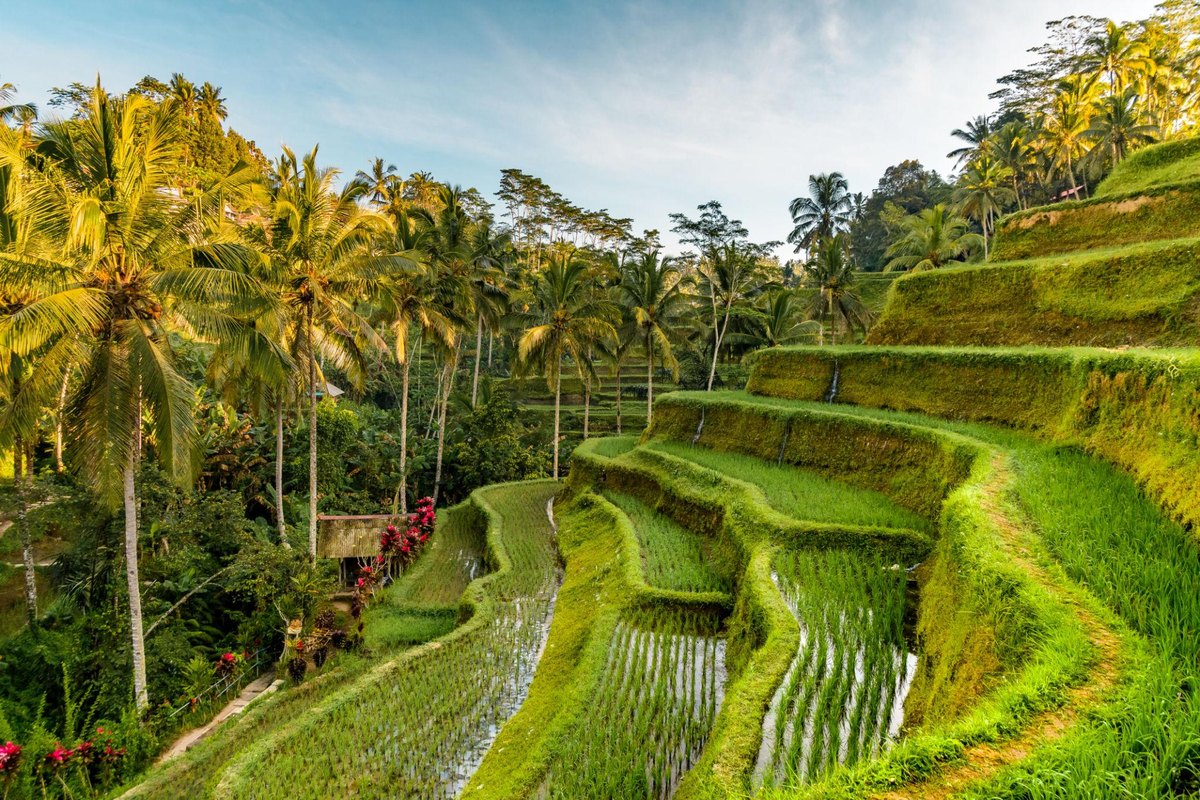
July and August are Bali at its busiest and, weather-wise, its best. These two months sit squarely in the middle of the dry season, so you get long sunny days, low humidity, and barely any rain, which is exactly why half the planet seems to land on the island at the same time. The trade-off is real: the beaches are packed, the roads are slow, and a villa that felt like a steal in March can cost a third to a half more now. None of that should put you off. It just means the difference between a great Bali trip and a frustrating one in peak season comes down to planning, and this guide walks through the weather, the crowds, the costs, the best things to do, the tourist levy you cannot skip, and how to stay online the whole time.
TL;DR
- Weather: Peak dry season. Expect roughly 27–31°C by day, 22–25°C at night, low humidity, and very little rain. August is one of the driest months of the year.
- Crowds: The busiest stretch of the year. July spikes hard with Australian school holidays (roughly late June to around 20 July); August stays near full capacity.
- Prices: Hotels, villas, and flights run about 30–50% higher than the shoulder months. Book early.
- Do: Ideal conditions for surfing, island-hopping to Nusa Penida and the Gilis, temples, waterfalls, and rice terraces.
- Don't forget: The Bali tourist levy is IDR 150,000 per person (everyone, including kids). Pay it before you arrive.
- Stay connected: Install a travel eSIM for Indonesia before you fly so maps, Grab, and Gojek work the moment you land.
Weather in July and August
This is the headline reason people come now. Both months land in the heart of Bali's dry season, and they are close to identical: sunny mornings, warm afternoons, comfortable evenings, and humidity that stays manageable. Daytime temperatures sit around 27 to 31°C, dropping to a pleasant 22 to 25°C overnight, which is cool enough that the highlands around Ubud and Munduk can feel genuinely fresh after dark.
Rain is rare. You might catch the odd brief shower, but washed-out days are unlikely, and August in particular is one of the driest months Bali gets all year. The sea is calm and clear on the east and south coasts, which is part of why diving and snorkelling around the Nusa islands and Amed are so good in this window. One thing to plan for: the dry-season trade winds pick up, which is brilliant for surfers chasing the swell on the west coast but can mean choppier water and a bit of seaweed on some southern beaches. Pack reef-safe sunscreen and reapply often, because the sun is strong even when a breeze makes it feel mild.
Why these are the busiest months
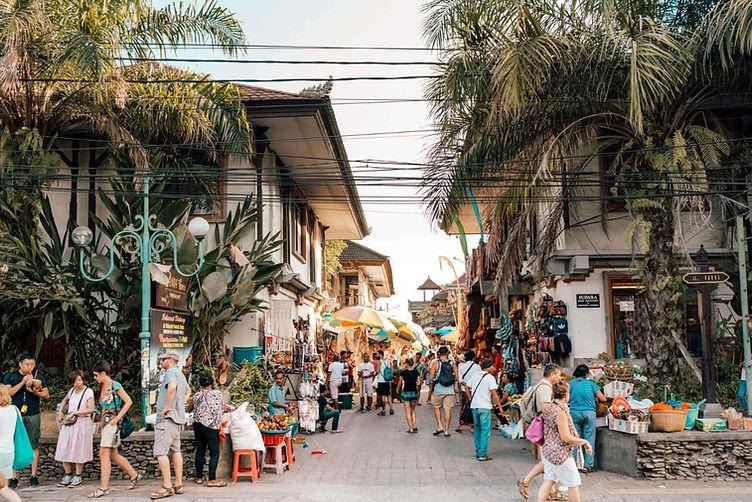
Bali's peak season and its best weather arrive together, so July and August draw the largest crowds of the year. The single biggest driver is the Australian school holidays: the mid-year break runs roughly from late June to around 20 July, and during that stretch the southern beach hubs of Kuta, Legian, and Seminyak run at full tilt. European summer holidays pile on through August, so the island barely gets a breather between the two.
In practice, that means busy beaches, fully booked tours, longer waits at the popular restaurants, and traffic that can turn a 10-kilometre drive into an hour. The famous photo spots, think the Handara Gate, the Lempuyang "Gates of Heaven," and the Tegallalang rice terraces, have real queues by mid-morning. The fix is not to avoid them but to get there early. Sunrise starts are your best friend in peak season: you beat the crowds, the heat, and the worst of the traffic in one move.
Prices: what peak season costs
Peak demand pushes peak prices. The same villa or hotel room that goes for a modest rate in the shoulder months can be 30 to 50% more expensive in July and August, and the best-value places sell out first. Flights into Denpasar climb too, especially around the Australian and European holiday peaks.
The move here is simple: book early. Lock in your accommodation and any must-do tours or restaurants well ahead, ideally a couple of months out for July, rather than hoping to sort it on the ground. If your dates are even slightly flexible, the very start of July (before the Aussie break peaks) and the back half of September can offer similar weather with a little more breathing room and better rates. But if July and August are your only option, plan around the crowds rather than fighting them and you will be fine.
Best things to do in July and August
Dry-season conditions make this the easiest time of year to do, well, everything outdoors.
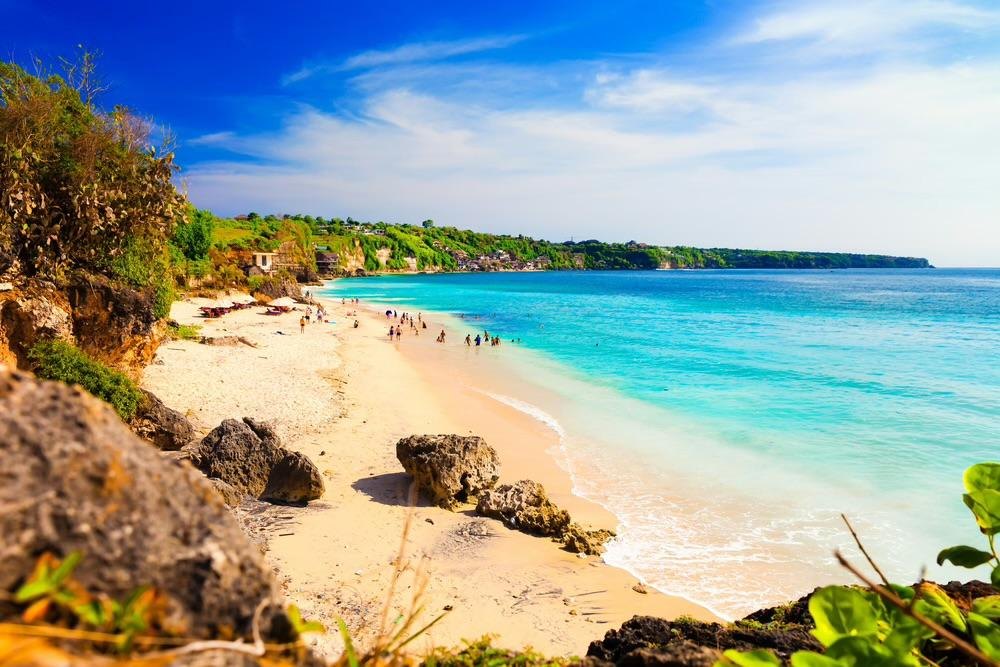
- Surf the west coast. The dry-season swell lights up Uluwatu, Bingin, Padang Padang, and Canggu. Beginners can take lessons at Kuta and Batu Bolong; experienced surfers head to the Bukit Peninsula.
- Island-hop. Calm seas make the boat trips to Nusa Penida (Kelingking Beach, Angel's Billabong), Nusa Lembongan, and the Gili Islands off Lombok smooth and reliable. Book the fast boats ahead in peak season.
- Dive and snorkel. Visibility is excellent now. Amed and Tulamben (the USAT Liberty wreck) on the east coast and the waters around Nusa Penida (manta rays, and if you are lucky, mola mola) are the highlights.
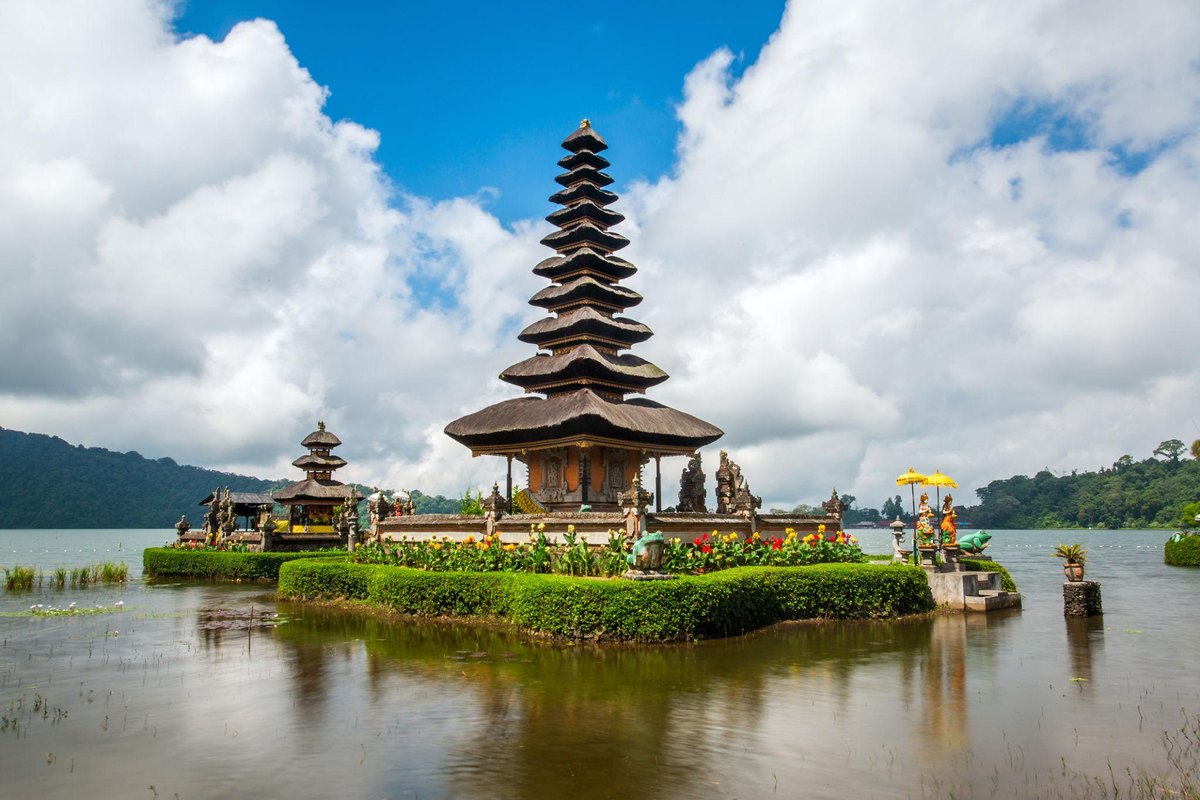
- Temples and culture. Catch the cliffside Kecak fire dance at sunset at Uluwatu, visit Tirta Empul, and time a trip to the highland temples early to beat the crowds.
- Waterfalls and rice terraces. Sekumpul and Tukad Cepung waterfalls, plus the Tegallalang and Jatiluwih terraces, are all at their lushest and most photogenic in the dry months.
A practical note: many of the best experiences now run on pre-booking. Day tours, popular beach clubs, and the standout restaurants in Seminyak and Canggu fill up, so reserve where you can instead of leaving it to chance.
Where to stay (and where to dodge the crush)
Your choice of base shapes how much of the peak-season crowd you actually feel. Seminyak, Canggu, and Kuta are the busiest and most developed, with the best nightlife, beach clubs, and dining, but also the worst traffic and the highest prices in July and August. Ubud is the cultural heart, greener and a touch cooler, and a great base for rice terraces and waterfalls, though its centre gets packed by day.
If you want the same weather with fewer people, look beyond the southern hotspots. The Bukit Peninsula (Uluwatu, Bingin) has dramatic clifftop stays and world-class surf. Amed and Sidemen in the east are quiet, scenic, and a window into a slower Bali. Munduk and the central highlands are cooler and misty in the mornings, ideal for hikes and lakes. Mixing two or three bases, say a few nights in Ubud, a few on the Bukit, a few in the east, is a popular way to see more and escape the densest crowds.
Events and festivals
Your timing lines up with some of the island's liveliest cultural moments. The Bali Arts Festival in Denpasar typically runs from mid-June into mid-July, a month-long showcase of Balinese dance, music, and crafts that is well worth catching the tail end of. Through July and August you will also find the colourful kite festival season around Sanur and Padang Galak, when huge traditional kites fill the sky on the windy afternoons.
If you are in Bali on 17 August, you will see Indonesia's Independence Day celebrations, with flag ceremonies, street games, and a real local buzz. As always, check the Balinese Hindu calendar for temple ceremonies during your dates, dressing respectfully and following local etiquette if you are lucky enough to witness one.
The Bali tourist levy (don't skip this)
Since 2024, foreign visitors to Bali pay a one-time tourist levy of IDR 150,000 per person (around a few US dollars). It applies to everyone, adults, children, and infants alike, and it is separate from your visa or visa-on-arrival fee.
Pay it before you travel through the official Love Bali portal at lovebali.baliprov.go.id (or the app), where you will get a QR code voucher to save offline. You can also pay on arrival at the airport, but the queues there can be long in peak season, so sorting it in advance is the smarter move. Keep the QR code handy in case you are asked to show it. Watch out for unofficial copycat sites that charge extra; only use the government portal.
Practical tips for peak season
A few habits make a July or August trip far smoother:
- Start early. Sunrise and early-morning outings beat the heat, the queues, and the traffic. Bali's roads clog up fast once the day gets going.
- Pre-book everything you care about. Tours, fast boats, popular restaurants, and beach clubs sell out. Reserve ahead rather than walking up.
- Plan around traffic, not distance. A short hop on the map can take an hour in peak season. Group nearby sights together and avoid criss-crossing the island in a day.
- Carry some cash. Smaller warungs, temple donations, and parking often want rupiah, even though cards and e-wallets are common in the tourist hubs.
- Ride carefully. Scooters are everywhere and convenient, but traffic is heavy and accidents are common. Wear a helmet, check your travel insurance covers it, and only ride if you are confident.
Staying connected in Bali
Bali runs on your phone in peak season. You will lean on Google Maps to navigate the traffic, Gojek and Grab to book rides and food, messaging apps to coordinate tours and boats, and your camera roll to back up the photos you will take by the hundred. Villa and café Wi-Fi is common but patchy, and you do not want to be hunting for a signal when your fast boat is leaving or your driver is calling.
The simplest fix is a travel eSIM. Install it before you fly, and your data is live the moment you land at Denpasar, with no airport SIM kiosk queue and no shock roaming bill from your home carrier. Bali has strong 4G and growing 5G in the tourist areas, so a good plan keeps maps, ride-hailing, and uploads running smoothly. For most travellers a mid-size data plan comfortably covers a week or two of heavy map and app use; if you are not sure how much you need, our guide to how much data you need breaks it down by activity. See our full eSIM for Indonesia guide for coverage and setup, and if you are coming to work remotely from Canggu or Ubud, the eSIM for digital nomads guide covers longer stays.
Two quick housekeeping notes: keep your home SIM active alongside the eSIM so you still receive calls and two-factor codes on your usual number, and install the eSIM while you still have Wi-Fi at home. New to it all? Our step-by-step on how to install an eSIM walks you through it, and how to avoid roaming charges explains why an eSIM beats switching on roaming.
The bottom line
July and August give you the most reliable weather Bali offers all year, and that is worth a lot. You just pay for it in crowds and cost. Come with your accommodation and key tours booked, start your days early, base yourself somewhere that suits the pace you want, budget for the tourist levy, and keep your phone online with an eSIM, and you will get the best of peak-season Bali without the headaches that catch out unprepared travellers. Match the plan to the season and the island delivers.
Ready to go? Sort your data before you fly with an eSIM for Indonesia, all pricing shown upfront, and land in Bali already connected.
Frequently asked questions
Is July or August a good time to visit Bali?
Yes, for weather it is the best time of year, with warm sunny days, low humidity, and very little rain. The catch is that these are the busiest and priciest months, so book accommodation and tours well ahead and plan around the crowds.
Does it rain much in Bali in July and August?
Very little. Both months are in the heart of the dry season, and August is one of the driest months of the year. Expect mostly clear skies with only the occasional brief shower.
How crowded is Bali in peak season?
Very. July spikes with Australian school holidays (roughly late June to around 20 July) and August stays near full capacity. Expect busy beaches, heavy traffic, and fully booked tours, especially around Kuta, Seminyak, and Canggu. Early starts help you beat the worst of it.
How much more expensive is Bali in July and August?
Accommodation and flights typically run about 30 to 50% higher than the shoulder months, and the best-value places sell out first. Booking early is the single best way to manage the cost.
Do I have to pay the Bali tourist tax?
Yes. Foreign visitors pay a one-time levy of IDR 150,000 per person, including children. Pay online before you arrive at the official Love Bali portal (lovebali.baliprov.go.id) to get a QR voucher, or pay at the airport, though the queues there can be long in peak season.
Will my phone work in Bali, and how do I get data?
Yes. Bali has strong 4G and growing 5G in the tourist areas. The easiest way to stay online is a travel eSIM you install before you fly, so your data works the moment you land. See our eSIM for Indonesia guide for coverage and setup, and keep your home SIM active for calls and two-factor codes.
What should I pack for Bali in the dry season?
Light, breathable clothing, strong reef-safe sunscreen, a hat and sunglasses, a light layer for cooler highland evenings, and a sarong for temple visits. Swimwear and a dry bag are essentials if you are island-hopping or diving.
Convinced?
Try Esim70 — plans from $1.36/day
150+ countries · Instant delivery · No commitment.