Tokyo Disney Resort 2026: DisneySea vs Disneyland & Tickets

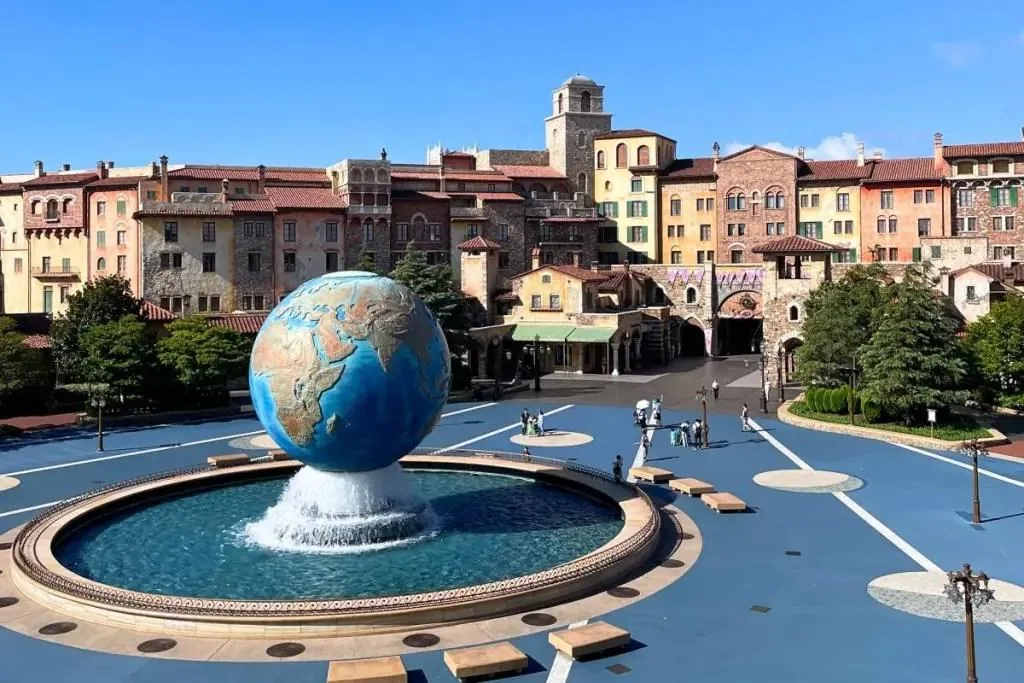
Most people land in Japan thinking Disney is Disney. Then they discover that Tokyo has two parks, and one of them does not exist anywhere else on the planet. Tokyo DisneySea is the only park of its kind in the world, a nautical fantasy of harbors and volcanoes that even hardened theme-park skeptics call the most beautiful Disney park ever built. Next door sits Tokyo Disneyland, the classic castle park with its own gentle Japanese twist.
So you have a choice to make, and possibly a two-day decision to plan around. This guide breaks down how the two parks differ, what Fantasy Springs added in 2024, how date-based tickets work, the paid skip-the-line system, where to stay and eat, and when to go if you would rather not spend your holiday in a queue. Whether you have one day or three, there is a version of this trip that fits.
TL;DR
- Tokyo Disney Resort sits in Urayasu, Chiba, about 15 minutes from Tokyo Station, and holds two separate parks that need separate tickets.
- Tokyo Disneyland is the familiar castle park: parades, classic rides, family-friendly charm.
- Tokyo DisneySea is unique to Japan, ocean-themed, more cinematic, and the favorite of most teens and adults.
- Fantasy Springs opened at DisneySea in June 2024, adding lands themed to Frozen, Tangled, and Peter Pan, plus a hotel inside the park.
- Tickets are date-based, roughly ¥7,900 to ¥10,900 (about $50 to $70) for an adult 1-Day Passport depending on how busy the day is. Always confirm on the official site.
- Disney Premier Access is a paid skip-the-line option bought per ride in the official app, usually ¥1,500 to ¥2,500 each.
- Visit on a weekday outside school holidays for the lightest crowds and often cheaper tickets.
Disneyland vs DisneySea: which one to choose
If you only have a single day, this is the question that matters most, so let me make it simple.
Tokyo Disneyland is the one that feels familiar. It follows the classic castle-park blueprint, with Cinderella's castle at the center, beloved rides, big daytime parades, and a warm, family-first atmosphere. If you are traveling with young children, or you grew up on Disney and want the comforting version done beautifully, this is your park. The Japanese touches show up in small ways, from the snack stands selling shaped popcorn in flavors you will not find at home to the meticulous, almost obsessive cleanliness.
Tokyo DisneySea is the one you came to Japan for. It exists nowhere else, and it is built around water: a string of themed "ports" wrapped around a central harbor, anchored by a towering volcano that erupts on schedule. The theming is closer to a film set than a fairground, with cobbled Mediterranean streets, a 1930s American waterfront, and an Arabian bazaar. The crowd skews older here, the rides lean a little more adventurous, and the whole place glows at night. If your group is mostly adults or teenagers, DisneySea wins.
Here is the quick comparison.
| Tokyo Disneyland | Tokyo DisneySea | |
|---|---|---|
| Theme | Classic castle park | Nautical, cinematic, by "ports" |
| Unique to Japan? | Versions exist worldwide | Yes, the only one on Earth |
| Best for | Families, young kids, classic fans | Teens, adults, theme lovers, couples |
| Vibe | Cheerful, nostalgic, parade-heavy | Immersive, atmospheric, romantic at night |
| Headline area | Cinderella's castle, Fantasyland | Fantasy Springs, Mediterranean Harbor |
| Ride intensity | Gentle to moderate | Moderate, a few bigger thrills |
Cannot decide? Most people who visit both end up naming DisneySea their favorite, but Disneyland is the safer pick for a first family trip.
Buying tickets and where to buy them
This is where first-timers lose money and patience. Tickets use date-based pricing, so the same 1-Day Passport can cost less on a quiet Tuesday than on a busy Saturday, and you pick the exact date when you buy.
Buy from one place: the official Tokyo Disney Resort website or the official app. A reseller market exists around Tokyo's parks, with third-party sites and people outside the gates offering tickets that look convenient but are often marked up, dated for the wrong day, or outright invalid at the gate. Because tickets are tied to a specific date and increasingly to your app account, an unofficial one can fail you at the entrance with no easy fix, so pay the official price in the official place and avoid the whole problem.
A couple of notes save grief. Popular dates sell out, especially weekends, holidays, and seasonal events, so book ahead, and link your ticket to the app before you arrive, since the app is what you scan and what unlocks ride passes and mobile ordering inside. Remember too that one standard 1-Day Passport admits you to one park only, so for both parks you need either separate single-day tickets or a multi-day passport.
Fantasy Springs and the must-do rides
The biggest news in years is Fantasy Springs, which opened at DisneySea on 6 June 2024. It is the largest expansion since the park first opened in 2001, and it added a whole new world divided into three storybook lands.
Frozen Kingdom recreates Arendelle, complete with a castle you can dine inside, and its boat ride, Anna and Elsa's Frozen Journey, floats you through key moments from the film. Rapunzel's Forest brings Tangled to life beneath Rapunzel's tower, with Rapunzel's Lantern Festival carrying you toward that glowing lantern scene on the water; it is gentle and slow, the most accessible of the three for nervous riders. Peter Pan's Never Land is the most ambitious: Peter Pan's Never Land Adventure straps you in with 3D goggles for a flight over Never Land, and the dropping and banking can catch first-timers off guard, so skip it if anyone dislikes simulator motion. A smaller ride, Fairy Tinker Bell's Busy Buggies, gives younger kids a gentle spin and rarely carries the same brutal wait.
One practical tip: Fantasy Springs is beautiful after dark, with the lanterns reflecting on the water, so access for late afternoon or evening gets you the rides and the prettiest version of the scenery at once. The dining inside Arendelle is among the most sought-after in the resort and books out fast through the app.
Demand for Fantasy Springs is intense, so do not assume you can stroll in. Access is controlled, often through the app, and the three headline rides are the ones most likely to require a paid Premier Access pass, so plan this part of your day first, before anything else.
Beyond the new land, DisneySea's classics still hold up. The indoor coaster racing through the central volcano is the park's signature thrill, and the harbor shows are worth planning your afternoon around. Over at Disneyland, the gentle dark rides, the spinning teacups, the daytime parade, and the nighttime castle projections are the ones people remember. You will not ride everything in one day at either park, so pick three or four must-dos, secure access to the ones with the worst queues, and let the rest fill itself in. Three well-chosen rides plus a parade and a show beats racing a long list and enjoying none of it.
Skip-the-line, Premier Access, and the official app
A few years ago Tokyo's parks had a free line-skip system. That is changing, so here is the current picture.
Disney Premier Access is the paid option. You buy it per ride inside the app, choosing a return window so you skip the main standby queue. Prices are set daily and usually land between ¥1,500 and ¥2,500 per person per ride, with the Fantasy Springs attractions at the top of that range. It is a la carte, so buying it for one or two headline attractions can save you a couple of hours of standing.
One thing worth knowing if you are planning ahead: the parks have historically only let you buy Premier Access after you enter, through the app, though the operator has signaled that buying before arrival is coming, so check the latest rules close to your trip.
To use it well, spend your passes where the standby line genuinely hurts, usually the Fantasy Springs headliners and the volcano coaster at DisneySea and the indoor mountain coasters at Disneyland. Buy your first pass once you are through the gate, then ride other things during the return window so you are never just waiting. Do not overspend on instinct, because on a quiet weekday several rides clear fast in the first hour. If you are riding solo, ask staff whether a single-rider line is running, since it can move you to the front far faster even if you do not sit with your group.
The official Tokyo Disney Resort App is genuinely essential, not a nice-to-have. You use it to buy tickets, check live wait times, reserve restaurants, place mobile food orders, grab any free Standby Passes, and purchase Premier Access. Download it and sign in before you go, and remember that every one of those features needs a working data connection the moment you walk through the gate.
Dining and the mobile order system
Food at the parks is a genuine highlight, and the snacks are half the fun. Tokyo's parks are famous for themed treats you will not see at home, from the shaped, flavored popcorn sold around both parks to seasonal sweets tied to whatever event is running, and the flavors rotate by location, so check which cart carries the one you want.
For meals, the mobile order function is the tool that saves your day. At participating quick-service restaurants you choose your dishes, pay, pick a pickup window, and walk past the ordering line straight to collection, which on a busy day is the difference between twenty minutes lost and two, so order before you are actually hungry, because the windows fill up.
Sit-down restaurants are a separate exercise. The popular table-service spots, including the character dining and the restaurants in themed areas like Arendelle, open for reservation through the app well ahead and disappear quickly, so treat a booking the way you treat your ticket and sort it early. Miss out, and you can still eat well with no reservation by leaning on counter spots and mobile order.
What to pack for a park day
A theme-park day in Japan runs from opening to closing, so pack smart. The non-negotiable is your phone with plenty of battery, because the whole day runs through it, from wait times and mobile orders to ride passes and your ticket QR code. Bring a power bank and top up during shows or meals, since a dead phone in the afternoon is the most common way a first-timer's plan falls apart.
Beyond that, comfortable, broken-in shoes matter more than anything fashionable, because you will cover a lot of ground. In summer, bring sun protection, a water bottle, and a small fan, since queues can sit in full sun; in the cooler months, layer up for the chilly mornings and the long wait for the nighttime show. Carry a little cash for the smallest carts, and use the coin lockers near the entrances to stash souvenirs or layers you do not want to carry all day.
Getting there from central Tokyo
The resort is easy to reach, despite the "Tokyo" name pointing to a spot just over the border in Urayasu, Chiba.
From Tokyo Station, hop on the JR Keiyo Line to Maihama Station. The ride takes about 15 minutes and costs a few hundred yen each way. Maihama is the gateway to the whole resort, and it is covered by the Japan Rail Pass if you are carrying one.
From Maihama, your route depends on the park. Tokyo Disneyland is roughly a five-minute walk from the station's South Exit, so you can stroll straight there. For Tokyo DisneySea, or to reach the hotels, take the Disney Resort Line, the cheerful monorail with Mickey-shaped windows that loops the resort. It circles every few minutes, completes the full loop in about 13 minutes, and costs a few hundred yen per ride. Buy a monorail ticket at Resort Gateway Station, right beside the Maihama gates.
If you are coming from the airport, both Narita and Haneda run direct limousine buses to the resort, which can be the easier choice with luggage.
Best time to visit and crowd tips
Tokyo's Disney parks are popular with locals, not just tourists, so timing matters more here than almost anywhere.
The golden rule is simple: go on a weekday, in any month. Weekends draw heavy local crowds at both parks. The catch since date-based pricing arrived is that weekdays are now both quieter and usually cheaper, so the smart move and the budget move point the same way.
For the season, late spring and autumn tend to balance pleasant weather with manageable crowds, and the resort decorates beautifully for Christmas through November and December. The times to avoid are the big domestic holidays: Golden Week in early May, the New Year stretch from late December into the first week of January, and the spring break period through March into early April when cherry-blossom season collides with student discounts. June can be a quiet, pleasant surprise if you dodge the rainy-season downpours.
Whatever day you pick, arrive before the gates open. The first hour after opening is the single best window to ride a popular attraction with little to no wait, before the day fills up and the app's wait times climb into the triple digits.
One day or two?
If Disney is a side trip on a wider Japan itinerary and you only have one day, choose a single park and commit to it. DisneySea for adults and couples, Disneyland for families with young kids. Trying to "see both" in one day means a lot of monorail shuffling and not much riding, so resist it.
If you are a real fan, or you are traveling with kids who will not forgive you for skipping the castle, give it two days, one park each. That is the sweet spot most visitors land on, and it lets you slow down, catch a parade, and stay for the nighttime show without racing the clock. Three days only makes sense if you want to re-ride favorites, chase every Fantasy Springs attraction, or build in a relaxed pace. Either way, buy your tickets and book any restaurants well in advance, because the most popular dates sell out.
Visiting with small children
Tokyo's parks are wonderful with little ones, and Disneyland in particular is built for them. Plan around nap and meal rhythms rather than a ride checklist, and lean on the gentle dark rides, the spinning teacups, and the parades.
Two practical systems are worth knowing. First, height requirements apply to the coasters and bigger simulators, so check before you queue to avoid a meltdown at the front. The gentler attractions, including much of Fantasyland and the calmer Fantasy Springs rides like the Tangled boat and Tinker Bell's buggies, welcome younger children. Second, ask staff about the rider switch arrangement on rides with a height limit, which lets two adults take turns while one stays with the child, so you both ride without queuing twice. Strollers are easy to rent near the entrances, and the parks are flat and stroller-friendly, so build in downtime and let the day breathe.
Where to stay
Where you sleep shapes how relaxed your Disney days feel, and the choice splits into the official Disney hotels and the cheaper options outside.
The official Disney hotels sit inside the resort, connected by the monorail, and they buy you convenience: easier morning access, themed rooms, and the luxury of walking back for a midday rest. The most talked-about since 2024 is the hotel built inside Fantasy Springs at DisneySea, steps from the most in-demand land in the resort. The trade-off is price, since official hotels carry a premium and demand for the newest rooms is high.
Just outside, around Maihama Station, sit the cheaper partner and nearby hotels, many a short walk or monorail ride from the gates. If the parks are the whole reason for your trip, the on-site hotels earn their price. If Disney is one stop on a wider Japan trip, a nearby hotel, or commuting in from central Tokyo on the 15-minute train, keeps your money for the rest of the country. Either way, book early, because the best rooms sell out a long way ahead of weekends and seasonal events.
Accessibility
Both parks are well set up for visitors with mobility needs and other access requirements, and staff are notably helpful. The grounds are largely flat and step-free, with accessible restrooms throughout, and the monorail and stations are step-free too. Wheelchairs and electric scooters can be rented near the entrances in limited numbers, so reserve or arrive early if you need one. Many rides offer accessible boarding or transfer arrangements that vary by attraction, so ask Guest Relations when you arrive: they can explain how each ride handles boarding, the pass arrangements for guests who find queuing difficult, and where to find quieter spaces for a break. Sorting this out in your first ten minutes saves working it out ride by ride later.
Common first-timer mistakes
A handful of avoidable errors trip up nearly everyone on their first visit. Trying to do both parks in one day is the big one: it sounds efficient and ends up rushed, with too much time shuffling between gates and not enough riding, so pick one park per day and commit. Closely related is arriving late, when the most valuable hour after opening, with little to no wait, gets traded for triple-digit queues by lunchtime. Underusing the app is another classic, with people queuing for food they could have mobile-ordered and rides they could have skipped with a single pass, so learn it before you go.
Then come the small ones that add up: letting the phone die with no power bank, buying from an unofficial reseller and finding a problem at the gate, forgetting that one passport means one park, overspending on Premier Access for rides that barely have a line, or assuming free Wi-Fi will carry the app through a packed crowd. None ruin a trip on their own, but together they turn a magical day into a frustrating one, and every one is easy to avoid with a little planning the night before.
The bottom line
Tokyo Disney Resort is two of the best theme parks in the world sitting side by side, and DisneySea in particular is a genuine reason to plan a trip around. Decide between the classic castle park and the one-of-a-kind ocean park, factor in Fantasy Springs if you can get access, and lean on weekdays to dodge the worst of the crowds.
Just remember that the modern Disney day runs through your phone. Live wait times, mobile food orders, Standby Passes, and paid Premier Access all live in the official app, and every one of them needs a steady data connection from the moment you reach the gate. Airport and hotel Wi-Fi will not follow you into the park, so sorting out a travel eSIM before you fly means you walk in connected, with the app ready to do its job. Our Best eSIM for Japan guide covers your options, and if you are mapping out the rest of the trip, Getting around Japan, Best time to visit Japan, and Best things to do in Japan will help you fill in the days around your Disney visit.
Frequently asked questions
Is Tokyo DisneySea better than Tokyo Disneyland?
It depends on who is going. DisneySea is unique to Japan, more cinematic, and the favorite of most teens and adults thanks to its atmosphere and theming. Disneyland is the classic castle park and the safer pick for families with young children. If you can only do one and your group is mostly grown-ups, choose DisneySea.
Can I visit both parks on the same ticket?
No. The two parks require separate tickets. A standard 1-Day Passport admits you to one park only. There are multi-day passports that let you visit both across consecutive days, which is the better route if you want to experience each one properly.
How much do Tokyo Disney tickets cost in 2026?
Tickets use date-based pricing, so the cost shifts with how busy the day is expected to be. An adult 1-Day Passport generally runs about ¥7,900 to ¥10,900, roughly $50 to $70, with quieter weekdays at the lower end and weekends and holidays at the top. Junior and child tickets cost less. Always confirm the exact price on the official Tokyo Disney Resort website before booking.
What is Fantasy Springs and do I need a special pass?
Fantasy Springs is the new DisneySea area that opened in June 2024, with lands themed to Frozen, Tangled, and Peter Pan. It is hugely popular, so access is managed, often through the app. The three headline rides frequently require a paid Disney Premier Access pass, so plan to sort that out early in your day.
How do I skip the lines at Tokyo Disney?
Buy Disney Premier Access in the official Tokyo Disney Resort App. It is sold per ride, typically ¥1,500 to ¥2,500 per person, and gives you a return window that skips the main standby queue. It is worth using on the one or two rides you most want to guarantee.
How do I get to Tokyo Disney Resort from Tokyo Station?
Take the JR Keiyo Line from Tokyo Station to Maihama Station, about a 15-minute ride. Disneyland is a short walk from there, while DisneySea and the hotels are reached on the Disney Resort Line monorail that loops the resort.
Do I really need mobile data inside the park?
Yes, in practice. The official app handles wait times, mobile food ordering, Standby Passes, and Premier Access, and all of it needs a live connection from the moment you enter. Free park Wi-Fi is unreliable in crowds, so a travel eSIM is the simplest way to stay connected all day.
Where should I buy Tokyo Disney tickets?
Only from the official Tokyo Disney Resort website or the official app. Because tickets are tied to a specific date and increasingly to your app account, a third-party reseller ticket can be marked up, dated for the wrong day, or invalid at the gate. Buying officially also lets you link the ticket to the app, which unlocks ride passes and mobile ordering inside.
Are the Tokyo Disney parks good for toddlers and small children?
Yes, especially Disneyland. The gentle dark rides, teacups, parades, and calmer Fantasy Springs attractions suit young kids well. Watch the height limits on bigger rides, ask staff about the rider switch arrangement so two adults can take turns without queuing twice, and plan around nap and meal times.
Should I stay at an official Disney hotel?
It depends on your trip. The official hotels sit inside the resort, connect by monorail, and buy you convenience, with the newest one built right inside Fantasy Springs at DisneySea, but they carry a price premium. If Disney is one stop on a wider Japan trip, a cheaper hotel near Maihama Station is usually the better value.
Convinced?
Try Esim70 — plans from $1.36/day
150+ countries · Instant delivery · No commitment.