How Much Does a Trip to Japan Cost in 2026?

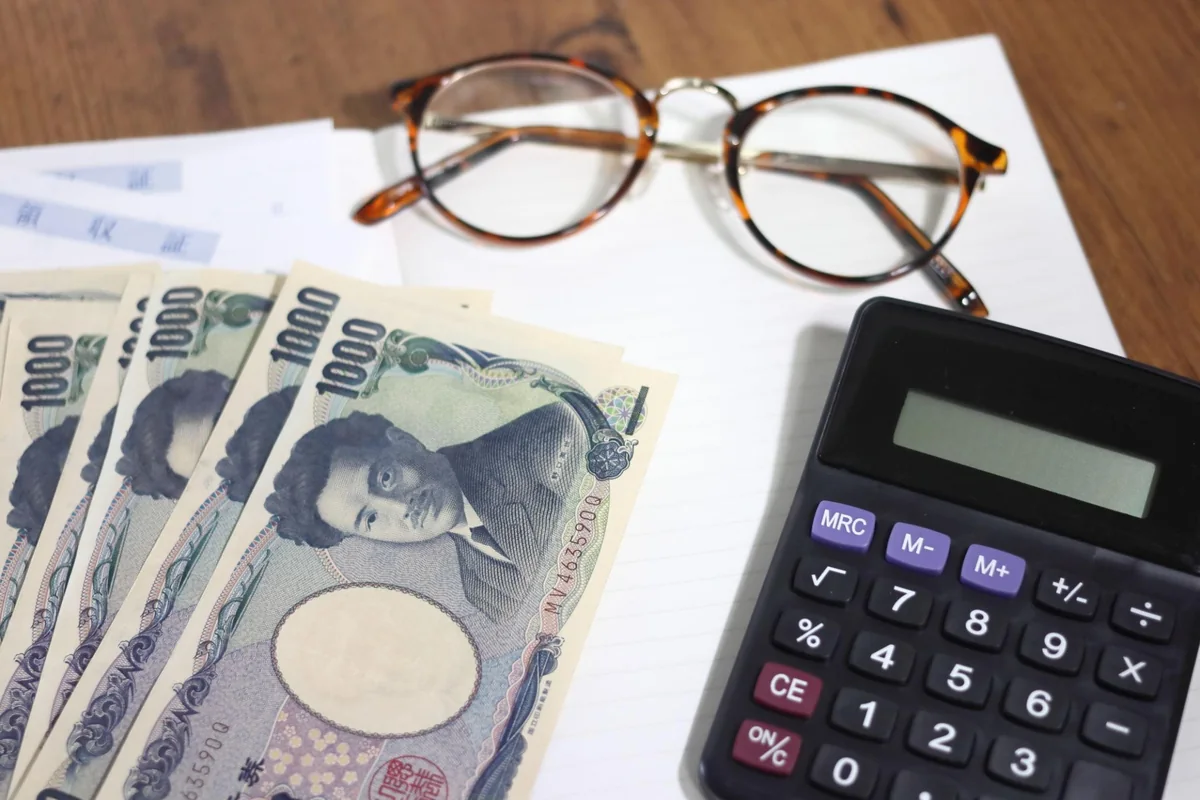
Japan has a reputation for being expensive, and a decade ago that was fair. Today the picture looks very different. The yen has been sitting near multi-decade lows against the dollar through 2026, which means your money stretches further than it has in years. A bowl of excellent ramen still costs a few dollars, a clean and comfortable hotel room runs less than you'd pay in most Western capitals, and the food alone justifies the flight. The catch is that the big-ticket items, mostly your flight and your nightly accommodation, are where the real money goes, and those swing widely depending on when and how you book.
So how much does a trip to Japan actually cost? The honest answer is that it depends on your travel style more than on Japan itself. You can do a thoughtful two-week trip on a backpacker budget, or you can spend the same amount in five luxurious days. This breakdown walks through every line item, gives you realistic 2026 ranges in US dollars, and ends with sample daily budgets you can actually plan around. One quick note before we start: all prices here are rough, they're converted from yen at the exchange rates floating around in mid-2026, and currency moves daily. Check a live converter before you book anything big.
TL;DR
- Budget traveler: roughly $80 to $120 per day on the ground (hostel or capsule, convenience-store and casual meals, IC card transit).
- Mid-range traveler: roughly $150 to $250 per day (business or three-star hotel, ramen shops and izakayas, the odd paid attraction and Shinkansen leg).
- Luxury traveler: $350 to $500+ per day (four or five-star hotels or a fine ryokan, kaiseki dinners, private tours, first-class rail).
- Flights from North America run about $900 to $1,800 round trip in economy, and far less if you catch a sale or fly off-peak.
- The weak yen makes 2026 one of the best-value years to visit a developed country, especially for food, transit, and everyday shopping.
- These figures exclude your flight unless noted. Add the airfare on top of your daily on-the-ground spend.
Flights: your biggest single cost
For most travelers, the flight is the most expensive part of the whole trip, and it's the line item with the widest range. From North America, expect round-trip economy fares in the rough band of $900 to $1,500 from the West Coast and $1,100 to $1,800 from the East Coast during normal demand. Those numbers aren't fixed, though. The floor drops well below that several times a year, and flexible travelers regularly find West Coast fares in the $600 to $800 range when a sale lands or when they fly in a quieter month.
Timing does most of the work here. January tends to be the cheapest month to fly into Japan, while cherry blossom season in spring and the autumn foliage weeks command premium prices. Booking roughly three to five weeks ahead often beats both last-minute panic fares and booking too far out. If your dates are flexible, set a price alert and pounce when it dips. For more on lining up your visit with weather, crowds, and cost, our guide to the best time to visit Japan goes deeper.
Accommodation: where your style shows
After flights, your bed is the next big decision, and Japan offers more variety here than almost anywhere. Prices below are per night and, as always, shift with city, season, and how far ahead you book.
- Hostels and capsule hotels: A dorm bed typically runs $20 to $35 a night, with stylish, well-located hostels at the upper end. Capsule hotels sit in a similar range and give you a private pod with surprisingly good amenities. These are your best friend on a tight budget.
- Business hotels: The workhorse of Japanese travel. Clean, compact, reliable rooms cost roughly $50 to $100 a night for a basic property, with a solid mid-range option in Tokyo or Kyoto landing around $100 to $170. For the price, the quality is hard to beat anywhere in the world.
- Ryokan: A traditional inn is an experience, not just a place to sleep. A modest ryokan starts around $80 per person per night, while a good mid-range one runs $170 to $300 per person, usually including an elaborate kaiseki dinner and breakfast. Luxury ryokan climb well past that.
A practical tip: rooms in Japan are often priced per person rather than per room, especially at ryokan, so always check before you assume a rate covers your whole party. Booking a few months ahead for popular seasons makes a real difference.
Food: the best value in Japan
Here's the happy surprise. Eating well in Japan is genuinely cheap, and the floor for quality is astonishingly high. You can eat like royalty or like a thrifty student and enjoy both.
- Convenience stores (konbini): A full, genuinely good meal of an onigiri, some karaage, a salad, and a drink costs around $5 to $7. Konbini food in Japan is in a different league from what that phrase suggests elsewhere.
- Ramen and casual shops: A steaming bowl of ramen at a neighborhood spot runs about $6 to $9. Conveyor-belt sushi, gyudon chains, and standing soba bars all sit in the $5 to $12 range.
- Mid-range restaurants and izakayas: A relaxed dinner with a couple of drinks at an izakaya lands around $20 to $40 per person. This is where a lot of the joy of Japanese dining lives.
- Kaiseki and omakase: The high end is where prices climb. A multi-course kaiseki dinner or an omakase sushi counter typically runs $65 to $200+ per person, depending on the chef and the city.
Put together, a budget eater can comfortably get by on $15 to $25 a day, a mid-range traveler on $35 to $55, and someone chasing wagyu and tasting menus should budget $80 to $200+. Tap water is safe and free everywhere, and you don't tip, so the price on the menu is the price you pay.
Getting around: skip the pass for the classic route
Japan's trains are famously excellent, and getting around is easier than you'd expect. For day-to-day city travel, just load an IC card (Suica, PASMO, or ICOCA) onto your phone or buy a physical one. Individual subway and bus rides cost roughly $1.50 to $3, so figure $10 to $20 a day for urban hopping.
The big question travelers wrestle with is the Japan Rail Pass. Since its 2023 price hike, the math has shifted hard. The 7-day pass costs around $310 (¥50,000), and for the classic Tokyo to Kyoto to Osaka loop it now saves most people nothing at all. A round-trip bullet train between Tokyo and Kyoto runs about $175 in individual tickets, well under the pass price. The pass only pays off if your itinerary includes three or more long Shinkansen legs, say Tokyo to Hiroshima and beyond, or a wide loop through Kanazawa or Fukuoka.
For a single one-way Shinkansen ride between major cities, budget roughly $85 to $130. Most 2026 travelers on a standard route come out ahead buying individual tickets and using an IC card for everything local. If you want the full rundown on rail passes, regional options, buses, and city transit, our guide to getting around Japan lays it all out.
Attractions and activities: cheaper than you think
This is another category where Japan keeps surprising you. Most temples and shrines charge a modest $3 to $5 entry, and plenty of the country's most beautiful spots, like wandering Kyoto's lantern-lit lanes or a free observation deck, cost nothing at all. Museums typically run $7 to $12.
The bigger experiences add up faster. A ticket to one of the major theme parks runs around $50 to $70, a sumo tournament or a guided food tour can be $40 to $100, and activities like a tea ceremony, a cooking class, or a day trip with a guide range from $30 to well over $150. A reasonable rule of thumb: budget travelers might spend $10 to $20 a day on sightseeing, mid-range travelers $20 to $50, and anyone packing in premium experiences should plan for more. For ideas worth building a day around, see our roundup of the best things to do in Japan.
Connectivity and data: the small line item that saves the rest
You'll lean on your phone constantly in Japan, more than almost anywhere. Train transfers, restaurant reservations, translating a menu, and finding the coffee shop a friend recommended all run on data, and the country's public Wi-Fi is patchier than visitors expect. The good news is that staying connected is one of the cheapest line items on this whole list.
A travel eSIM for a week or two of typical use costs only a handful of dollars, and you set it up before you fly with no swapping of physical SIM cards and no hunting for a shop at the airport. Compared to your home carrier's roaming rates, which can run several dollars a day or more, it's a tiny, easy saving that quietly protects the rest of your budget. Not sure how big a plan to buy? Our guide on how much data you need helps you land on the right number.
Sample daily budgets
Here's how the categories come together per day, on the ground, excluding your flight. Treat these as starting points and flex them to your trip.
| Per day (excluding flights) | Budget | Mid-range | Luxury |
|---|---|---|---|
| Accommodation | $25 to $40 | $90 to $170 | $250 to $400+ |
| Food | $15 to $25 | $35 to $55 | $80 to $200+ |
| Local transport | $10 to $15 | $15 to $25 | $30 to $60 |
| Attractions | $10 to $20 | $20 to $50 | $50 to $150+ |
| Connectivity (eSIM) | ~$1 to $3 | ~$1 to $3 | ~$1 to $3 |
| Rough daily total | $80 to $120 | $150 to $250 | $350 to $500+ |
For a ballpark, a mid-range couple doing a 10-day trip might spend somewhere around $5,000 to $7,000 all-in including flights, while two budget-minded travelers could do the same trip for noticeably less, and a luxury pair could easily spend double. Your flight and how many long train journeys you take are the levers that move the total the most.
Money-saving tips
- Eat like a local. Konbini breakfasts, ramen lunches, and izakaya dinners are both cheaper and more fun than tourist restaurants. You lose nothing on quality.
- Hunt down the lunch set. Many restaurants that charge $40 at dinner serve almost the same food as a fixed lunch set, often called a teishoku, for $9 to $15. If there's a place you want to try, go at noon. You eat the same kitchen's cooking for half the price.
- Use the rail pass only when the math works. For most Tokyo-Kyoto-Osaka itineraries, individual tickets plus an IC card win. The pass only earns its keep on genuinely long, multi-leg routes. There are also cheaper regional passes that can beat the nationwide one if you're staying in a single area, so price your exact route before buying anything.
- Lean on free attractions. A huge amount of what makes Japan special costs nothing. Public parks and gardens, most shrine grounds, the buzzing free-to-wander districts, observation floors in some government buildings, and simply walking a neighborhood at night are all free. Build a few no-cost days into the trip and your attractions line shrinks fast.
- Catch izakaya happy hours. Some izakaya and bars run early-evening drink deals, and chain izakaya often have cheap set courses. Going out a little earlier can shave a meaningful chunk off a night of eating and drinking.
- Claim tax-free shopping. As a short-term visitor you can shop tax-free on purchases over a set minimum per store per day, which saves you the 10 percent consumption tax. Bring your passport, look for the tax-free signage, and note that the system is moving toward a refund-at-departure model, so keep your receipts and check the current rules before a big spend.
- Travel in the shoulder seasons. Late spring after the blossoms or early autumn before the foliage rush means lower flights, cheaper hotels, and thinner crowds.
- Book accommodation early for peak weeks. Cherry blossom and autumn dates sell out and spike in price months ahead.
- Use the weak yen. Pay in yen rather than letting a card offer dynamic currency conversion, and withdraw cash from 7-Eleven or post office ATMs, which reliably accept foreign cards.
- Sort your data before you go. A pre-loaded eSIM costs a few dollars and spares you roaming fees and airport SIM queues.
Sample one-week budgets, all in
Daily numbers are useful, but most people want a single figure to plan against. Here's what a full seven-day trip tends to cost per person once you fold the flight in, using the daily ranges above plus a round-trip economy fare. As always, treat these as planning anchors rather than promises, and remember the yen moves every day.
- Budget, around $1,500 to $2,600 per person. Picture roughly $560 to $840 on the ground for the week, plus a $900 to $1,800 flight. You're sleeping in hostels or capsule hotels, eating mostly konbini and casual shops, riding IC-card transit, and skipping long bullet-train hauls. Catch a flight sale and you land at the very bottom of that band.
- Mid-range, around $2,000 to $3,550 per person. That's about $1,050 to $1,750 on the ground for the week, plus the flight, and it dips a little per person if two of you split the rooms. Business hotels, a daily mix of ramen shops and izakayas, a paid attraction or two each day, and one or two Shinkansen legs.
- Luxury, around $3,350 to $5,300+ per person. Roughly $2,450 or more on the ground for the week, plus a flight that may itself be premium cabin. Four and five-star hotels or a fine ryokan, kaiseki dinners, private guides, and first-class rail.
A couple traveling mid-range usually finds the per-person ground cost dips a little, because you split the room rate two ways while food and attractions stay personal. The flight and the number of long train journeys remain the two levers that swing the all-in total the hardest, so if you're watching the budget, those are the first two places to economize.
How costs change by region
Japan is not priced uniformly, and where you spend your nights matters as much as how you spend your days. The broad pattern is simple: the big cities cost the most, and your money goes noticeably further the moment you step outside them.
Tokyo and Kyoto are the expensive end. Tokyo carries the highest accommodation prices in the country, and Kyoto spikes hard around cherry blossom and autumn foliage weeks, when rooms can double. In these two cities a mid-range hotel sits at the upper part of the ranges quoted earlier, popular restaurants get booked out, and even a coffee can feel city-priced. Osaka tends to come in a touch cheaper than Tokyo for both food and beds, while still offering big-city energy.
Smaller cities and rural Japan stretch your budget further. Regional hubs like Kanazawa, Hiroshima, Takayama, or the towns of the countryside generally offer cheaper rooms, smaller crowds, and the same astonishing food quality. A business hotel that runs $130 in central Tokyo might be $70 to $90 in a regional city, and a family-run restaurant in a small town often charges less than its big-city equivalent. The trade-off is reach: the savings on the ground can be partly eaten by the long-distance train tickets needed to get out there in the first place, which is exactly the calculation that decides whether a rail pass pays off.
The practical takeaway is to think about the shape of your trip, not just its length. A week split between Tokyo and Kyoto will cost more per day than a week that includes a few nights in a quieter region, even before you count the joy of having a place more or less to yourself.
How payment works on the ground
Japan has long had a reputation as a cash society, and while that's changing fast, it still pays to understand the mix before you arrive. You'll juggle three things: a transit IC card, your regular cards, and a stash of physical yen.
The IC card is your everyday workhorse. Suica, PASMO, and ICOCA are prepaid tap cards that started life for trains and buses but now work at convenience stores, vending machines, lockers, and countless small shops. The smoothest option for most visitors is a digital IC card loaded straight into your phone's wallet, topped up with a foreign card, so you tap through gates and pay for small items without touching cash at all. If your phone doesn't support it, a physical card, including a tourist version with no deposit, does the same job.
Cards and contactless cover most of the rest, in cities. Hotels, department stores, big restaurants, chains, and most attractions in Tokyo, Kyoto, and Osaka take international cards and contactless without a fuss. When you do pay by card, always choose to be charged in yen rather than your home currency, since the card's own conversion beats the dynamic currency conversion offered at the terminal.
Cash is still king in specific corners. Small family-run restaurants and izakaya, rural towns, older ryokan, temple and shrine offerings, local festivals, coin lockers, and some taxis outside the big cities can still be cash-only. The fix is easy: carry a modest cushion of yen and refill it from 7-Eleven or Japan Post ATMs, which reliably accept foreign cards when many bank ATMs do not. A useful habit is to keep enough cash for a day or two of small purchases and let cards handle the larger ones.
A quick word on tipping
This one's simple and worth internalizing, because it genuinely affects your budget: there is no tipping in Japan. Restaurants, taxis, hotels, and tour guides do not expect a gratuity, and trying to leave one can cause polite confusion rather than gratitude. Good service is simply the standard, baked into the price. The number on the menu or the meter is the number you pay, which makes budgeting refreshingly precise. The only thing to watch for is the occasional table charge at an izakaya, a small seating fee that sometimes comes with a little appetizer, which is a cover charge rather than a tip.
Hidden and easily forgotten costs
The headline categories cover most of your spend, but a handful of smaller line items have a habit of surprising first-time visitors. None are large on their own, yet they add up, and planning for them keeps your budget honest.
- Luggage forwarding (takkyubin). Shipping a suitcase from one hotel to the next, or from the airport to your first hotel, typically costs around $10 to $20 per bag and arrives the next day. It's a small price for traveling hands-free through crowded stations, and it's one of the quiet pleasures of getting around Japan, but it's a cost most people forget to pencil in.
- Coin lockers. Storing a bag at a station while you explore runs roughly $2 to $7 a day depending on locker size, charged per calendar day rather than by the hour. Handy on arrival and departure days, easy to overlook in a budget.
- Temple and shrine entry. Many shrine grounds are free, but the famous temples and gardens often charge a small entry of a few dollars each, and on a temple-heavy day in a city like Kyoto those modest fees stack into a real number.
- Checked-bag and airport extras. Budget flight fares can exclude checked luggage and seat selection, and airport express trains into the city center are an easy-to-miss arrival-day cost on top of your fare.
- Data and the odd online booking. Reserved-seat surcharges on trains, timed-entry tickets for popular attractions, and small booking fees can each nibble at the edges. Your connectivity, happily, is the cheapest of the lot, which brings us to the one line item that protects all the others.
The bottom line
A trip to Japan in 2026 is more affordable than its reputation suggests, largely thanks to a yen that's been weak all year. Your flight and your nightly accommodation will dominate the budget, while food, transit, and sightseeing are all reasonable to genuinely cheap. Plan on roughly $80 to $120 a day as a budget traveler, $150 to $250 mid-range, and $350 or more for luxury, then add your airfare on top.
Of all those line items, connectivity is the easiest one to get right and the cheapest to fix. A travel eSIM is just a few dollars for the whole trip, it sets up in minutes before you fly, and it keeps maps, translation, and reservations working from the moment you land. If you're ready to sort that part out, our guide to the best eSIM for Japan covers coverage, the right plan size, and setup so you can tick it off your list and get on with planning the fun stuff.
Frequently asked questions
How much does a 7-day trip to Japan cost?
On the ground, a budget traveler might spend roughly $560 to $840 for a week, a mid-range traveler $1,050 to $1,750, and a luxury traveler $2,450 or more. Add your round-trip flight, which usually runs $900 to $1,800 from North America, on top of those figures.
Is Japan expensive to visit in 2026?
Less than you'd think. The yen has been near multi-decade lows against the dollar throughout 2026, so everyday costs like food, local transit, and shopping feel like good value. The expensive parts are mostly your international flight and higher-end accommodation. Exchange rates move daily, so check a live converter before booking.
Is the Japan Rail Pass worth it?
For most travelers sticking to the Tokyo-Kyoto-Osaka route, no. Since the price increase, individual Shinkansen tickets plus an IC card are cheaper. The pass only pays off if your itinerary includes three or more long bullet-train legs, such as adding Hiroshima, Kanazawa, or Fukuoka.
How much should I budget for food per day in Japan?
Around $15 to $25 a day if you lean on convenience stores and casual shops, $35 to $55 for ramen, izakayas, and the odd nicer meal, and $80 to $200 or more if you're after kaiseki, omakase, and wagyu. There's no tipping, so the menu price is the final price.
How much spending money do I need for two weeks in Japan?
Excluding flights, budget travelers can plan on roughly $1,100 to $1,700 for two weeks, mid-range travelers about $2,100 to $3,500, and luxury travelers $4,900 or more. Long-distance train journeys are the main thing that pushes the total higher.
Do I need cash or are cards accepted in Japan?
Both. Cards and contactless are widely accepted in cities, but smaller restaurants, temples, and rural spots can still be cash-only. Carry some yen and withdraw from 7-Eleven or post office ATMs, which reliably take foreign cards.
How much does staying connected in Japan cost?
Very little. A travel eSIM for a week or two of normal use costs only a few dollars, far less than home-carrier roaming. You install it before you fly and activate it on arrival, with no physical SIM to swap.
Do you tip in Japan?
No. Tipping is not part of the culture, and it's neither expected nor needed in restaurants, taxis, hotels, or on tours. The price you see is the price you pay, which makes day-to-day budgeting easy. The only thing to look out for is a small table or seating charge at some izakaya, which is a cover charge rather than a gratuity.
Can tourists shop tax-free in Japan?
Yes. Short-term visitors can buy tax-free at participating shops once you pass a minimum spend per store per day, which saves the 10 percent consumption tax. Carry your passport, look for tax-free signage, and keep your receipts, as the system is shifting toward refunding the tax at departure rather than waiving it at the till. Check the current rules before any large purchase.
Are there hidden costs I should budget for in Japan?
A few small ones. Forwarding a suitcase between hotels runs about $10 to $20 a bag, station coin lockers cost roughly $2 to $7 a day, famous temples and gardens charge a few dollars each to enter, and budget flights may bill separately for checked bags and seats. None is large alone, but they add up, so leave a little slack in your daily budget.
Convinced?
Try Esim70 — plans from $1.36/day
150+ countries · Instant delivery · No commitment.