Eiffel Tower Tickets 2026: Floors, Prices & Skip-the-Line

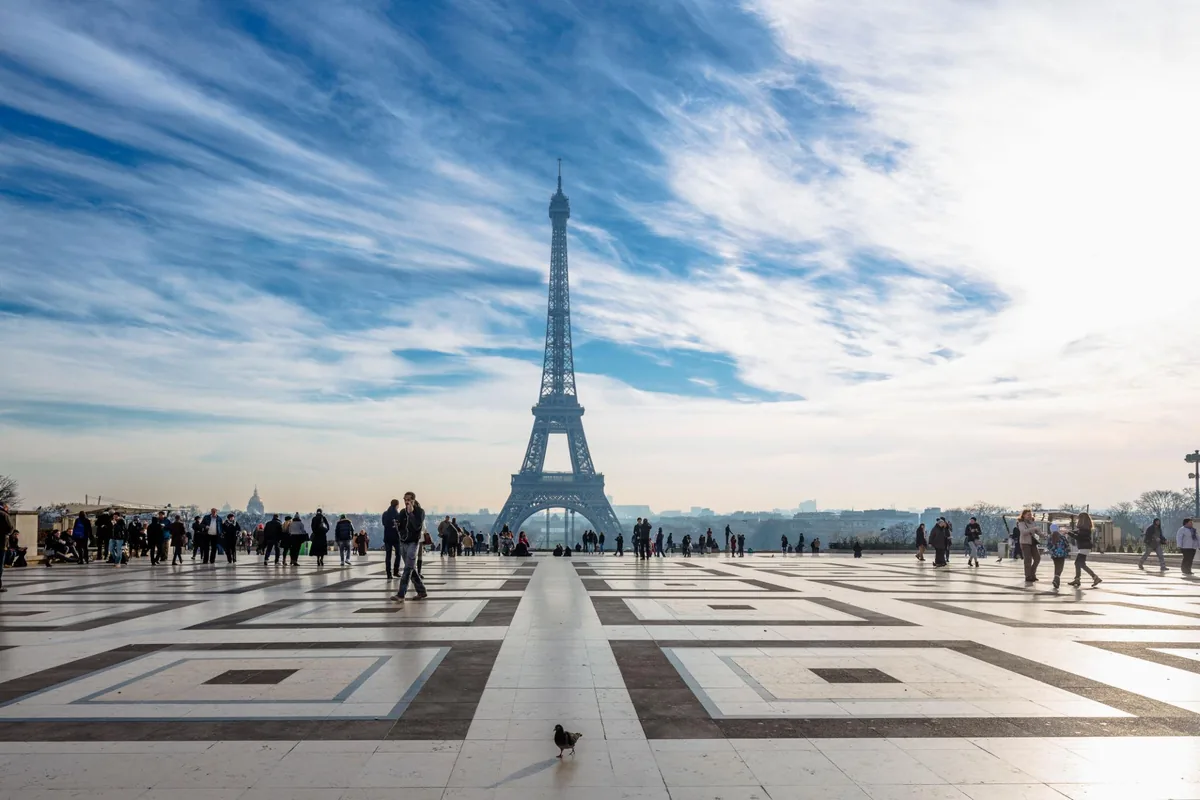
There is a moment, somewhere on the walk up from the river, when the Eiffel Tower stops being a thing you have seen a thousand times in photos and becomes a 330-metre lattice of iron leaning over you. It is bigger than you expect, and busier than you expect, which is the part nobody puts on a postcard. Around six million people pass through every year, and on a warm afternoon in July the queues at the base can swallow an hour before you have climbed a single step.
The good news is that almost all of that friction is avoidable. A little planning turns a long, hot wait into a smooth visit, and it comes down to a few decisions: which floor you aim for, lift or stairs, what time you show up, and whether you booked ahead on the right website. This guide walks you through all of it for 2026, with current prices, the smartest times to go, how to get there, and where to stand for the photo you came for.
TL;DR
- The tower has three levels: the first floor (57m), the second floor (116m), and the summit, or top (276m).
- You can go up by lift or, to the first two floors, by stairs. Stairs are cheaper and the queue is usually shorter; the lift to the summit is the priciest ticket.
- Adult fares in 2026 run roughly from the mid-teens in euros for stairs to the second floor up to the high-thirties for the lift to the top. Always confirm the exact figure on the official site before you book.
- Book online in advance on the official toureiffel.paris site to lock a time slot and skip the longest lines. Ignore lookalike resellers that charge a markup.
- Best times are early morning, right at opening, or the evening, when the tower performs its five-minute sparkle every hour after dark.
- Get there by Metro line 6 to Bir-Hakeim, line 6 or 9 to Trocadéro for the classic view, or RER C to Champ de Mars - Tour Eiffel.
- There is airport-style security at the base. Leave large bags, glass bottles, and anything sharp behind. There is no luggage storage on site.
- The best free photos are from the Trocadéro terrace and the Champ de Mars lawn.
The three levels, explained
The tower is a vertical journey in three stages, and each level is a genuinely different experience, so it helps to know what you are choosing between before you buy.
The first floor, 57 metres up, is the one most people underrate. It has a glass floor section you can stand on and look straight down through, a wraparound walkway, places to eat, and a small exhibit on the tower's history. It is broad and relaxed, and far less crowded than the levels above.
The second floor, at 116 metres, is what many seasoned visitors call the sweet spot. You are high enough that the whole city opens up beneath you, with Notre-Dame, the Arc de Triomphe, and the Seine all laid out, but low enough to still pick out streets and rooftops. This is also where the views feel most photographable, since the summit can sit above the haze on grey days.
The summit, at 276 metres, is the bragging-rights level. A second lift carries you up to a glassed-in deck and an open-air platform, with a recreated version of Gustave Eiffel's office and, weather permitting, a glass of champagne at a tiny bar. The view stretches for miles. The trade-off is that it is the most expensive ticket, it can close in high wind or peak crowds, and the space is tight. If the day is clear and you do not mind the cost, it is worth it. If the sky is flat and white, the second floor gives you most of the magic for less.
Tickets and prices: lift versus stairs
Your ticket price depends on two things: how high you want to go, and whether you take the lift or the stairs. The stairs only run as far as the second floor, 674 steps of them, and they are noticeably cheaper. From the second floor, the only way to the summit is by lift, so the top-floor tickets are really a combination: lift all the way, or stairs to the second floor and then lift to the top.
Here is how the four main adult options compare. Prices are in euros and shown as rough ranges, because the operator adjusts them and you should always confirm the live figure on the official site before paying.
| Level | Lift or stairs | Rough adult price (EUR) |
|---|---|---|
| Second floor | Stairs | Mid-teens (the cheapest option) |
| Second floor | Lift | Low-to-mid twenties |
| Summit (top) | Stairs to 2nd floor, then lift | Upper twenties |
| Summit (top) | Lift all the way | High thirties (the priciest option) |
A few things worth knowing. Young people aged 12 to 24, children aged 4 to 11, and visitors with a disability card all pay reduced rates, and children under 4 go free but still need a (free) ticket. There are also bundle tickets that add a glass of champagne at the top or a meal at the tower's restaurants, which cost more. And take note: from late September 2026, the operator is making advance reservations compulsory even for the stairs tickets, so the days of just turning up and walking the steps are ending. Check the current rules at toureiffel.paris before you go.
Two practical points get missed in the rush to pick a level. First, the cheapest way to reach the summit is not the all-lift ticket but the hybrid: stairs to the second floor, then the lift the rest of the way. You save the difference between a full lift fare and a stair fare, and you skip the often-long lift queue at the base, swapping it for the steadier flow of the staircase. If your legs are willing, it is the savviest summit ticket on the board. Second, if you are travelling as a family, add up the reduced rates before you commit to a level, because the gap between the second floor and the summit multiplies fast across four or five people. A second-floor visit for the whole group, with the saved money going toward a treat at the base, often makes more sense than stretching everyone to the top.
One more thing on the bundles. The champagne-at-the-summit ticket and the dining tickets are sold as separate products, not as add-ons you tick at the end, so decide before you start the booking flow rather than hunting for an upgrade later. And keep your confirmation handy: the tower checks a named ticket against ID for the reduced and youth fares, so the person on the booking should be the person at the turnstile.
How to skip the line and book the right ticket
The single biggest favour you can do yourself is to book a timed ticket online in advance on the official website, toureiffel.paris. Lift tickets can usually be reserved up to around 60 days ahead, stair tickets a little less. You pick a date and an entry slot, then walk up to a dedicated line at that time rather than joining the general queue. In peak season, from June to September and over school and public holidays, the popular slots sell out days ahead, so the earlier you book, the more choice you have.
Be careful where you buy. There are plenty of resellers that look official, rank high in search results, and quietly add a service fee on top of the real price, sometimes a steep one. Some are legitimate tour operators bundling a guide; others simply mark up a ticket you could buy direct for less. If a site is charging well above the official fare or hiding the real price, close the tab and go straight to the source.
Knowing how to spot a reseller before you hand over a card saves both money and grief. The real site lives at toureiffel.paris, so check the address bar rather than trusting the first sponsored result, which is very often a markup vendor paying to sit at the top. Watch for the tells: a price quoted without a clear breakdown, a chunky "booking fee" or "service charge" added at the final step, urgency banners screaming that only a handful of tickets remain, or a checkout that asks for far more personal detail than a ticket needs. A genuine guided tour will say plainly that a guide is included and price it as such. A site that simply resells the same entry ticket at a premium, while implying it is the official channel, is the one to walk away from. If you have already bought from a reseller and the slot is honoured, you are fine; the risk is paying double for something you could have had direct, or worse, holding a voucher the tower will not recognise on a busy day.
If your chosen slot is sold out, the stairs are your friend. That queue tends to move faster than the lift line, the ticket is cheaper, and the climb to the second floor is more manageable than it sounds, with plenty of landings and views opening up the whole way. It is also worth checking the official site again the evening before or the morning of your visit, because cancelled and released tickets sometimes reappear, and a slot that looked impossible all week can quietly open up at the last minute.
Best time to visit and the evening sparkle
Timing changes the whole feel of a visit. The tower is open every day of the year, with longer hours in summer. Roughly speaking, expect doors from around 9:30am to 11pm from October through June, and from about 9am to midnight in the peak June-to-September stretch, with the last ascents going up shortly before closing. Hours shift for special dates, so glance at the official calendar for the day you are going.
For the calmest experience and the cleanest light, arrive right at opening. The first hour is the quietest you will see all day, and the morning sun sits behind you for photos from the Champ de Mars. The other great window is the evening. Aim to be up the tower or nearby about an hour before sunset, so you catch the city in daylight, then in gold, then lit up after dark, all from the same spot.
Weather matters more than most people plan for. On a grey, low-cloud day the summit can sit inside the murk, so you pay the top fare for a view of white nothing, while the second floor stays below the haze and keeps its panorama. A crisp day after rain, when the air has been rinsed clean, is the one to aim the summit for if you can be flexible. Heat is the other factor: the iron and the open platforms bake in midsummer, the queues offer little shade, and the middle of a July afternoon stacks the worst crowds onto the least comfortable conditions. If your only option is a hot afternoon, carry water, wear a hat, and lean toward the breezier upper floors.
Season shapes the rhythm too. Spring and autumn give you milder air, longer odds on a clear summit, and noticeably thinner queues than the summer peak, which is why many regulars rate them as the best months overall. Winter brings the shortest crowds of all and a city that lights up early, though the cold on the exposed decks is real, so a visit that ends with the evening sparkle and a warm drink nearby suits the season better than a long, exposed midday stop.
And do not leave before the sparkle. For five minutes at the top of every hour after dusk, 20,000 tiny lights flicker across the whole structure in a shimmering display that runs until around 1am in summer and midnight the rest of the year. It is brief, it is a little kitsch, and it is genuinely lovely. The best seat in the house for it is not on the tower at all but across the river, on the lawns or the Trocadéro terrace, where you can see the entire thing light up at once. Work out the first sparkle of the night before you go, since it falls on the first full hour after sunset, and that hour drifts a lot between a long June evening and an early-dark December one. Settle in five or ten minutes early so a slow crossing of the bridge does not cost you the show.
Dining at the tower
You can turn an ascent into a proper meal without leaving the structure, and for many visitors that is the highlight rather than the view. The first floor is home to a relaxed brasserie, Madame Brasserie, where you sit beside the glass with the city stretched out below and eat across lunch and dinner services. It is the more accessible of the tower's dining options, both in price and in mood, and the floor-to-tower setting does a lot of the work that a fancier room would charge you for. Because a table comes with its own access, booking a meal can double as your way up to the first floor without queuing for a separate entry ticket.
Higher up, the summit keeps its tiny champagne bar, where, weather permitting, you can raise a glass at 276 metres with the whole region falling away beneath you. It is not a sit-down affair, more a moment than a meal, but it is the sort of small ceremony the trip seems to ask for. There is no full dining service at the very top, so the bar is the summit's one indulgence.
A word on booking. The tower's restaurants take reservations directly and the better slots, especially dinner with a sunset view, go well ahead in peak season, so treat a meal here like any other Paris table you actually care about and book early. Dining reservations are sold separately from standard ascent tickets, so do not assume a lunch booking covers a trip to the summit; if you want both the meal and the top, you are looking at the restaurant reservation plus a summit ticket. Dress is smart-casual rather than formal, and arriving a little before your slot leaves room for the security check at the base, which everyone clears regardless of why they are going up.
The glass floor on the first level
The glass floor is the first floor's quiet showpiece and the reason the level deserves more than a passing glance on the way to the lift. A transparent section of the walkway lets you stand directly over the void and look the full 57 metres straight down to the esplanade, with the people below shrunk to specks and the iron framework dropping away beneath your feet. It sounds gimmicky and it is anything but: the sensation of weightless space under solid-feeling glass is one of those small thrills that stays with you, and it gives children and nervous first-timers a safe taste of the drop without the exposure of the summit.
It is also a genuinely good photo, looking down through your own shoes at the city floor, and because the first level is the least crowded of the three you rarely have to fight for the spot. If you are deciding between levels on a budget, the glass floor is a strong argument for the second-floor ticket that includes the first on the way, since you pass through it either way and it costs you nothing extra to linger. Stand on it, look down, and let the height land before you go higher.
What to do if the summit is closed
The summit is the part of the tower most likely to let you down on the day, and it pays to know that before you build your whole visit around it. High wind is the usual culprit, since the top platform is exposed and the operator closes it when gusts get strong, but heavy crowds, technical issues with the upper lift, and the occasional weather front can all shut it without much warning. Closures are typically posted at the base and on the official site, and they can lift again within the same day if conditions settle.
If you arrive to a closed summit, the good news is that the rest of the tower carries on as normal, and the second floor delivers the view most people came for anyway. The operator generally adjusts ticketing when the top is shut, so a summit fare is not simply lost; check at the ticket desk or on the site for how a refund or a step-down to a second-floor ticket is being handled that day, since the exact arrangement depends on the situation. Either way, do not stand around hoping the weather turns on a fixed timetable. Take the second floor, give the city its due from 116 metres, and treat a clear-day summit as the reason for a return visit rather than a box you have to tick this time. Building a little flexibility into your plan, an evening slot you could shift or a spare day in the city, is the surest hedge against a windy afternoon.
Make an evening of it: river cruise and a picnic
The tower sits at the heart of an easy, unhurried evening, and stitching a few pieces together beats a rushed up-and-down. A Seine river cruise is the natural pairing, since the boats pass right beneath the tower and several depart from the quay just below it, near the Pont d'Iéna. Floating past the lit-up monuments at dusk gives you a second, water-level angle on the city, and timing a cruise to finish near the tower as the light goes means you step off the boat right as the evening show begins. Buy the cruise ahead in summer just as you would the tower ticket, and check where it leaves from so you are not hiking across the river at the last minute.
If a meal at the tower is not your plan, the Champ de Mars is made for a picnic. Pick up bread, cheese, fruit, and something to drink from a local shop or market earlier in the day, claim a patch of lawn an hour or so before sunset, and watch the sky change and the tower light up from the grass. It is one of the great free pleasures in Paris and the front-row seat for the hourly sparkle. Two caveats keep it smooth: glass bottles and alcohol will be confiscated at the tower's security perimeter, so keep your picnic out on the lawn rather than carrying it up, and pack out everything you bring, since the lawns get busy and the city asks you to leave them clean.
Put together, an evening might run like this: an early-evening cruise from the quay, back on dry land as the sun drops, a picnic spread on the Champ de Mars or a drink at Trocadéro, and the first sparkle of the night going off across the river. No queue at the worst hour, the best light of the day, and the tower at its most magical, all without necessarily setting foot on it.
How to get there: Metro and RER
The tower sits in the 7th arrondissement on the Left Bank of the Seine, and the public transport options drop you within a short walk.
By Metro, the closest station is Bir-Hakeim on line 6, a roughly ten-minute walk along the river to the base. Trocadéro, on lines 6 and 9, is the one to pick if you want the famous head-on view first: you climb out of the station onto the Trocadéro terrace, the tower framed dead ahead across the river, before walking down and over to it. École Militaire on line 8 puts you at the far end of the Champ de Mars for the approach through the park.
By RER, the C line stops at Champ de Mars - Tour Eiffel, which is about as close as the train gets. Several bus routes also serve the area, and the city's riverboat and bike-share options make for a scenic arrival if you have the time. Whatever you choose, give yourself a buffer, since the walk from any station plus the security check means you want to arrive 15 to 20 minutes before your booked slot.
Security and what not to bring
Entry to the tower works like an airport. There is a security perimeter at the base with bag checks and metal detectors, and on busy days the screening line can take 10 to 20 minutes, separate from your ticket queue, so factor it in.
Travel light. Large suitcases are not allowed, and crucially there is no left-luggage facility on site, so do not show up with your bags on the way to the airport. Small backpacks and handbags are fine within the size limit. Leave behind anything sharp, glass bottles, and alcohol, all of which will be confiscated, and note that pets are not permitted apart from guide dogs. Keep your day bag small and easy to open and you will clear the check in a couple of minutes.
Accessibility
The tower is more accessible than its age and its iron staircases suggest, but the access stops short of the very top, so it helps to know the limits before you book. The first and second floors are reachable by lift and are set up for wheelchair users, with adapted toilets and step-free routes once you are on the level. Visitors with a disability card, and a companion, pay reduced rates, and it is worth carrying proof since the fare is checked.
The catch is the summit, which is not wheelchair accessible. The upper lift between the second floor and the top cannot take wheelchairs, so the highest point on a step-free visit is the second floor, which, happily, holds the view most people remember anyway. The stairs, naturally, are not a step-free option at all, so anyone relying on the lift should book a lift ticket rather than a stair fare. If you or someone in your group has mobility needs, plan around a second-floor lift visit, allow extra time at the security check, and contact the tower ahead if you need to confirm the current arrangements, since the exact setup can change with maintenance.
The best photo spots
You do not need a ticket to get the shot most people remember. A handful of free vantage points do the heavy lifting, and each frames the tower differently, so it is worth knowing which one suits the picture in your head.
The Trocadéro, across the river on the Right Bank, is the classic. Come up from the Metro onto the Place du Trocadéro and the esplanade between the Palais de Chaillot's two wings frames the tower perfectly, with the fountains below. It is stunning at sunrise when the crowds are thin, and it is the prime spot for the evening sparkle. Get there early for the clean shot, because by mid-morning the terrace fills with photographers, sellers, and selfie crowds, and the postcard angle gets a lot harder to claim.
The Champ de Mars, the long green lawn on the tower's southeast side, gives you the up-close, base-to-tip angle, with grass to picnic on while you wait out the hour before the lights come on. The further back you walk down the lawn, the more of the full tower you fit in the frame, so if you want the whole structure rather than a craning-up view, keep strolling away from the base until it sits comfortably in shot.
For something more cinematic, walk to the Pont de Bir-Hakeim, the two-tier bridge that has starred in countless films, where you can frame the tower through its iron arches with the Seine in front. Stand on the road-level walkway and use the bridge's columns to frame the tower down the avenue; the geometry of the arches against the lattice is what gives the shot its film-set look.
Three quieter streets reward anyone willing to step away from the obvious spots. Rue de l'Université, running back from the tower on the Left Bank, gives you a long, straight-on view down a typical Parisian street, the tower rising at the end between the buildings, which makes for a more lived-in, less touristy frame. Rue de Monttessuy, a short street nearby, offers a similar effect with a cluster of Haussmann facades leading the eye straight to the iron, and it stays calm even when the lawns are heaving. And Avenue de Camoëns, a short staircased street near Trocadéro, is another quiet favourite for a postcard shot without the crowds, the tower framed neatly at the end of the steps. On any of these streets, early morning gives you soft light and an empty road, which is exactly what the picture wants.
The bottom line
The Eiffel Tower rewards the visitors who plan a little. Decide which level you want, book a timed ticket on the official toureiffel.paris site well ahead, go early or stay for the evening sparkle, and pack light for security. Do that, and the hours of queuing that catch so many people simply do not happen to you.
Nearly every part of that plan runs through your phone. You will be booking and storing e-tickets, pulling up Metro directions to Bir-Hakeim, checking the sunset time, and firing off photos from the Trocadéro the second the lights flicker on. Sorting out data before you fly means you land already connected, with no surprise roaming bill waiting when you get home. If Paris is part of a wider trip, our guide to the Best eSIM for Europe covers coverage across the continent, how much data you actually need, and a setup that takes a few minutes. Get that squared away and the only thing left to plan is which floor to aim for.
Frequently asked questions
How much does it cost to visit the Eiffel Tower?
Adult tickets in 2026 range roughly from the mid-teens in euros for stairs to the second floor up to the high-thirties for the lift to the summit, with the lift to the second floor and the combined stair-plus-lift summit ticket falling in between. Children, young people aged 12 to 24, and visitors with a disability card pay reduced rates, and under-4s are free. Confirm the exact current price on the official toureiffel.paris site before booking.
Should I take the lift or the stairs?
It depends on your budget and your knees. The stairs only go as far as the second floor, cost less, and usually have a shorter queue, and the 674-step climb is more doable than it sounds. The lift is the only way to reach the summit and is easier if you have mobility concerns or are short on time. Many people take the stairs up and the lift down, or vice versa.
Do I need to book Eiffel Tower tickets in advance?
Yes, strongly recommended, especially from June to September and over holidays, when timed slots sell out days ahead. Booking online on the official site lets you pick an entry time and skip the longest general queue. From late September 2026, advance reservations become compulsory even for stair tickets.
What is the best time of day to visit?
Right at opening for the smallest crowds and soft morning light, or the evening to catch sunset and the hourly sparkle. Avoid the middle of the day in peak season, when both the security line and the ticket queues are at their worst.
What is the Eiffel Tower sparkle and when does it happen?
For five minutes at the top of every hour after dark, 20,000 lights twinkle across the whole tower. It runs until around 1am in summer and midnight the rest of the year. The best place to watch is across the river from the Trocadéro or on the Champ de Mars lawn.
How do I get to the Eiffel Tower by public transport?
Take Metro line 6 to Bir-Hakeim, line 6 or 9 to Trocadéro for the classic head-on view, or line 8 to École Militaire. The RER C line stops at Champ de Mars - Tour Eiffel, the closest train station. From any of them it is a short walk to the base.
Can I bring a bag into the Eiffel Tower?
Small backpacks and handbags are allowed through the airport-style security check as long as they stay within the size limit. Large suitcases, glass bottles, alcohol, and sharp objects are not permitted, and there is no luggage storage on site, so do not arrive with your bags on the way to the airport.
Can I eat at the Eiffel Tower, and do I need to book?
Yes. The first floor has a brasserie, Madame Brasserie, serving lunch and dinner with a view over the city, and the summit has a small champagne bar that opens when the weather allows. Reservations are sold separately from standard ascent tickets and the best slots, especially dinner around sunset, go early in peak season, so book ahead. A dining reservation includes access to its floor, but it does not cover a separate trip to the summit.
Is the Eiffel Tower wheelchair accessible?
The first and second floors are reachable by lift and are set up for wheelchair users, with step-free routes and adapted facilities. The summit is not accessible, since the upper lift cannot take wheelchairs, so the highest step-free point is the second floor. Book a lift ticket rather than a stair fare, allow extra time at security, and carry a disability card for the reduced rate.
What happens if the summit is closed when I visit?
The summit can close in high wind, heavy crowds, or technical issues, often at short notice, while the rest of the tower stays open. The second floor still gives you most of the view. Ticketing is usually adjusted when the top is shut, so check at the ticket desk or the official site for how a refund or a step-down to a second-floor ticket is being handled that day.
Convinced?
Try Esim70 — plans from $1.36/day
150+ countries · Instant delivery · No commitment.