Best Time to Visit Japan 2026: Seasons & When to Go

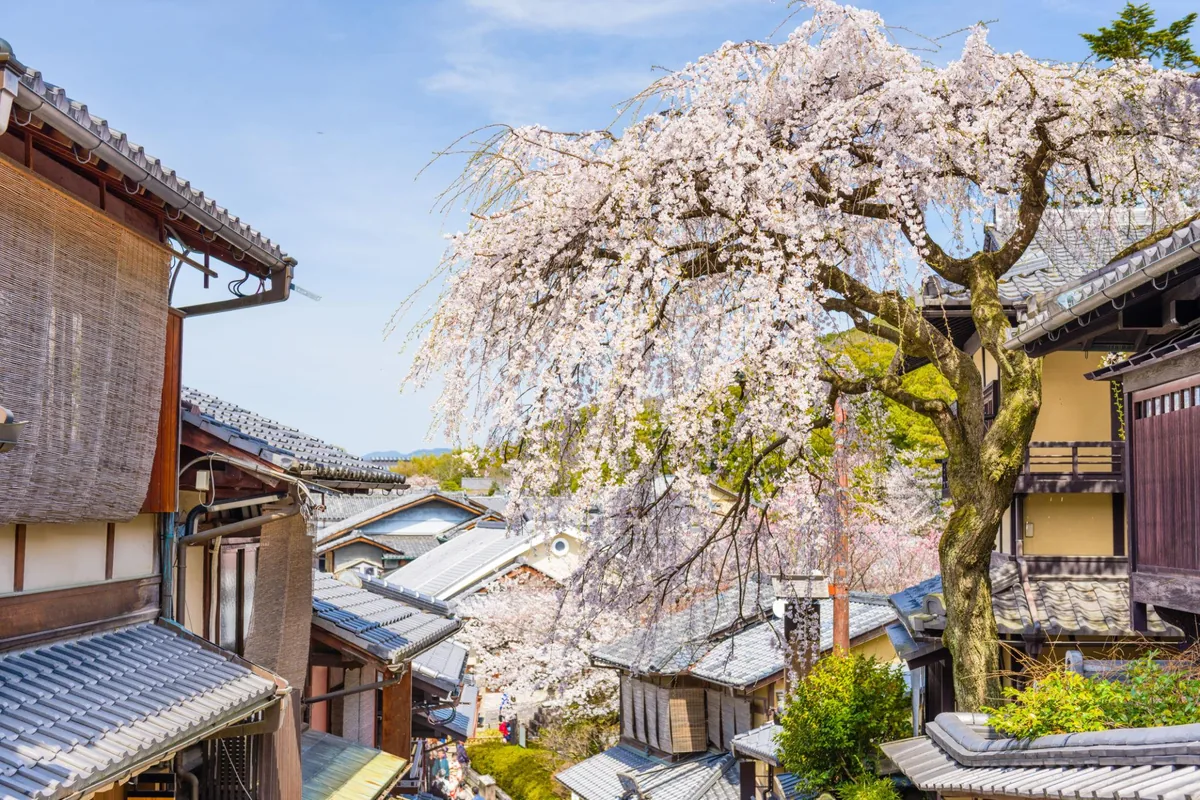
There is no single best time to visit Japan, and that is good news for you. The country runs through four distinct seasons, each one rearranging the scenery, the crowds, and the price of a hotel room. Cherry blossoms in spring, lush green and warm rain in early summer, fiery maple leaves in autumn, deep dry powder in winter: the date you pick changes the whole trip. The trick is matching the season to what you actually want to see and do. This guide walks through Japan's weather month by month, when the famous sights peak, the busy stretches worth dodging, and the quiet shoulder windows where the weather and the value both line up. Temperatures here are approximate ranges to help you pack, not promises.
TL;DR
- Spring (late March to April) brings cherry blossoms and mild 10 to 20C days. It is the most popular and most crowded window, so book early.
- Autumn (late October to mid-November) delivers crisp, clear skies, red and gold foliage, and arguably the most comfortable weather of the year.
- Summer (June to August) is hot, humid, and includes the June rainy season plus typhoon risk from August onward. It suits festivals, fireworks, and northern travel.
- Winter (December to February) is cold in the north and mild in the south, with world-class powder skiing in Hokkaido and Nagano and far fewer tourists in the cities.
- Avoid Golden Week (29 April to 6 May 2026) and the Obon period (around 13 to 16 August) if you can, when domestic travel peaks and prices spike.
- Whenever you go, you will lean on your phone for maps and trains, so sort connectivity ahead of time with the Best eSIM for Japan.
Japan's four seasons at a glance
Japan stretches a long way from north to south, so the weather you get depends as much on where you stand as on the calendar. The same week can mean snow in Sapporo and short sleeves in Okinawa. As a broad rule, the main islands of Honshu, where Tokyo, Kyoto, and Osaka sit, follow a temperate four-season pattern. Spring and autumn are the gentle bookends. Summer is hot and sticky. Winter is cold but rarely brutal in the big cities.
If you want one easy takeaway, it is this: spring and autumn are the sweet spots for comfortable sightseeing, with mid-April to mid-May and late October to mid-November rated by many travellers as the loveliest weeks of the year. Summer and winter are for specific goals, beaches and festivals in one direction, snow and onsen in the other. Here is how the year shapes up across a few key cities.
| Season | Months | Tokyo / Kyoto feel | Highlights | Crowds |
|---|---|---|---|---|
| Spring | Mar to May | Mild, 10 to 20C | Cherry blossoms, mild days | Very high in peak bloom |
| Early summer | June | Warm, humid, wet | Tsuyu rainy season, lush greenery | Moderate |
| Summer | July to Aug | Hot, 30C+, humid | Festivals, fireworks, beaches | High around Obon |
| Autumn | Sep to Nov | Cooling, crisp by Nov | Autumn foliage, clear skies | Rising into foliage peak |
| Winter | Dec to Feb | Cold, roughly 0 to 10C | Skiing, onsen, fewer tourists | Low in cities, high at resorts |
Spring: cherry blossom season
Spring is the headline act, and the cherry blossoms, or sakura, are the reason. The bloom rolls across the country like a slow wave that forecasters track every year. In a typical year the blossom front opens in Okinawa as early as January or February, reaches Tokyo and Kyoto in late March, and arrives in Hokkaido around late April or early May. For the 2026 season, a warm February pushed bloom dates a few days earlier than the long-term average, with Tokyo expected to hit full bloom around late March and Kyoto in early April.
The catch is timing. A cherry tree stays in flower for roughly ten to fourteen days, but the peak, that postcard moment of full bloom, lasts only about five to seven days at any one spot. Miss it by a week and you get bare branches or green leaves. If sakura is your main goal, aim for the last days of March through the first week of April for central Japan, and build in a little flexibility. Heading north into Tohoku or Hokkaido in mid to late April effectively gives you a second chance at the bloom.
Beyond the flowers, spring weather is genuinely pleasant, with daytime temperatures around 10 to 20C and plenty of clear days. The trade-off is company. This is the busiest international season, so flights, hotels, and popular parks fill up months ahead. Book early, and consider basing yourself slightly outside the most famous viewing spots to dodge the thickest crowds. If your dates are flexible, see the cherry-blossom chasing strategy further down, which turns the moving bloom front into a way to extend your sakura window rather than gamble on a single week.
Summer: heat, rain, and typhoons
Summer in Japan asks a bit more of you. It opens with the rainy season, known as tsuyu, which usually runs from early June to mid-July across most of Honshu and arrives about a month earlier in Okinawa. Tsuyu is not a tropical monsoon. It tends to be persistent grey drizzle with the occasional heavy downpour, rather than all-day deluges, and the upside is lush, vivid greenery, hydrangeas in full color, and thinner crowds. Pack a compact umbrella and decent shoes and you can still have a great trip.
Once the rain lifts, the heat takes over. July and August are hot and humid, with Tokyo daytime highs around 31C and humidity that makes it feel hotter. This is also typhoon season, which peaks from August into early October. Typhoons mostly affect southern and western Japan and can disrupt flights, trains, and island ferries, so if you travel in this window, keep a buffer day in your plans and watch the forecast.
So why come in summer at all? Because it is festival season. Fireworks displays light up riverbanks across the country, lively matsuri fill the streets, and the mountains and northern regions offer cooler escapes from the city heat. Plan outdoor sightseeing for the morning, lean on air conditioning in the afternoon, and stay hydrated.
Autumn: foliage season
For many travellers, autumn is the quiet winner. As the summer heat fades through September, the weather settles into crisp air and clear blue skies, and by October and November you get some of the most comfortable conditions of the entire year. It is a wonderful time for walking, hiking, and long days of sightseeing without sweating through your shirt.
Then there is the koyo, the autumn foliage. Much like the cherry blossom front in reverse, the wave of color descends from the north. It starts in Hokkaido around late September, then works its way down through Honshu during October and November. Kyoto's temples framed by red maples are a classic November scene. One advantage over spring is that peak color at a given location holds for one to two weeks rather than just a few days, so the timing is a little more forgiving. Late October through mid-November is the prime window for central Japan. Crowds build as the colors turn, especially at famous gardens and temples, but it rarely feels as frantic as peak sakura.
Winter: skiing, snow, and quiet cities
Winter splits Japan in two. In Tokyo, Kyoto, and most of the main cities, it is cold but manageable, with daytime temperatures roughly between 0 and 10C, dry sunny days, and a real bonus: this is the low season for international tourists. You can wander temples and museums with far more breathing room, and the air is often beautifully clear.
The other half of the winter story is snow, and it is some of the best on the planet. Cold Siberian winds pick up moisture over the Sea of Japan and dump it as light, dry powder on the mountains of Hokkaido and the Japan Alps. The ski season generally runs from December to March, with the most reliable powder falling from late December to mid-February. Hokkaido resorts like those around Niseko average over ten meters of snowfall a season, while Nagano's Hakuba and Shiga Kogen, which hosted the 1998 Winter Olympics, offer slopes for every level. Winter is also onsen weather at its finest, soaking in a steaming outdoor hot spring while snow falls around you, and early February brings the spectacular Sapporo Snow Festival.
Crowds to avoid: Golden Week and Obon
Two periods deserve a special warning, and they have nothing to do with the weather and everything to do with domestic travel. During these stretches, millions of Japanese people travel at once, so trains sell out, popular spots overflow, and accommodation prices climb.
The first is Golden Week, a cluster of national holidays that in 2026 runs from Wednesday 29 April to Wednesday 6 May, and which many people extend into a stretch of consecutive days off. The weather is lovely, but it is one of the busiest travel weeks of the year for locals. The second is Obon, a summer period of family remembrance centered on roughly 13 to 16 August in most of the country, though Tokyo and some areas observe it in mid-July. Around Obon, the heaviest travel days tend to fall in the days leading up to the 16th as people head to and from their hometowns.
You can still enjoy Japan during both, and the festival atmosphere can be wonderful, but book everything well in advance, reserve bullet train seats early, and brace for company. If your dates are flexible, sidestepping these windows makes for a smoother, cheaper trip.
Best months by what you want to do
Rather than chase a single best month, match the season to your priority:
- Cherry blossoms: Late March to early April for Tokyo, Kyoto, and Osaka. Mid to late April for the north.
- Comfortable sightseeing and good value: Mid-April to mid-May, then late October to mid-November, the classic shoulder seasons.
- Autumn foliage: Late October through mid-November in central Japan, earlier in the north.
- Skiing and snow: Late December to mid-February in Hokkaido and Nagano.
- Festivals, fireworks, and beaches: July and August, with an eye on the heat and typhoon forecast.
- Fewest tourists in the cities: January and February, plus the rainy weeks of June.
A region-by-region timing guide
National averages hide a lot, because Japan covers roughly 3,000 kilometres from the subtropical south to the snowbound north. Pick your region first, then your dates.
- Hokkaido (Sapporo, Niseko, Furano): about a month behind the main islands. Blossoms hold off until late April or early May, so it is your second chance if you missed them down south. Summer is comfortable and dry, autumn color arrives first up here from around mid to late September in the high country, and winter is long and gloriously snowy.
- Tokyo, Kyoto, and central Honshu: the textbook four-season pattern above, with blossoms in late March to early April, the tsuyu rains around June, hot sticky summers, and maples blazing from mid-November into early December. Peak crowds and prices bite hardest here, so the shoulder weeks reward you most.
- Okinawa and the southern islands: deeper-pink blossoms as early as January and February, an earlier rainy season, and long warm beach weather, though it is the most typhoon-exposed part of Japan in late summer and autumn. Winter is mild, often the high teens to low twenties Celsius, a real cool-season escape, but foliage is muted, so do not come south for maples.
The upshot: shift where you stand to catch the experience you want. Chasing late blossoms, go north. Want a warm beach in February, go south. Dodging the heat, the mountains and Hokkaido stay far more bearable than the lowland cities.
Festivals worth timing a trip around
The matsuri calendar is one of the great reasons to let a date pull your itinerary together. These signature events are worth planning around, though they draw crowds, so book accommodation early.
- Spring: Nara's Omizutori at Todai-ji runs through the first two weeks of March, with robed monks brandishing huge flaming torches along a temple balcony, alongside lantern-lit evening hanami.
- Summer: the headline season. Kyoto's Gion Matsuri fills the whole of July with grand processions of towering wooden floats, Osaka's Tenjin Matsuri in late July ends with lit boats and fireworks, Aomori's Nebuta Matsuri in early August parades enormous illuminated warrior floats, and Tokushima's Awa Odori in mid-August turns a whole city into a dance. Add the countless local fireworks shows, the hanabi.
- Autumn: quieter, with harvest celebrations and evening light-ups, the momiji illuminations, where gardens and temples spotlight the maples after dark. Kyoto and Nikko stand out.
- Winter: early February belongs to Sapporo's Snow Festival and its enormous carved snow and ice sculptures, while nearby Yokote lights hundreds of small snow domes for its Kamakura Festival.
What to pack for each season
Packing for Japan is about respecting the humidity in summer, the dryness in winter, and the unpredictability of the shoulder seasons.
- Spring (late March to May): layers for brisk mornings and mild afternoons, a warmer layer for northern stops, and a compact umbrella.
- Summer (June to August): light, breathable, quick-drying clothing for the heat, that umbrella for the June rains, plus a hat, sunscreen, a water bottle, and a thin layer for heavily air-conditioned interiors.
- Autumn (September to November): layering again, from warm early-autumn days to cold November mornings up north, with a warmer jacket toward the season's end.
- Winter (December to February): a proper warm coat, hat, gloves, and scarf for the snowy north. Cities are cold but dry, you can usually rent ski gear at resorts, and waterproof footwear matters wherever there is snow.
Whatever the season, comfortable walking shoes earn their place, because sightseeing here means a lot of walking and a lot of station stairs.
How far ahead to book
Timing your booking matters almost as much as timing your trip. The two peak windows, cherry blossom season and the autumn foliage weeks, are when demand outstrips supply by the widest margin, and hotels in Kyoto and Tokyo for late March, early April, and mid-November fill months ahead.
For a spring or autumn peak trip, lock in flights and main-city hotels several months out, ideally around half a year for the most sought-after spots. Niseko and the big ski resorts in peak powder, roughly January and February, book up early too, while summer and the quieter winter city weeks give you more room. Two habits pay off: reserve long-distance bullet train seats during any peak or holiday period, and if a festival anchors your trip, book the surrounding nights early, because festival towns sell out.
How to chase the cherry blossoms
With a longer, flexible trip you can turn the moving bloom front into a feature rather than a risk. Because the blossoms open in the warm south first and ripple north over several weeks, the right route stretches your sakura window from a few fragile days into a fortnight or more.
Travel south to north in step with the front. Start in central Japan around the late-March to early-April peak, then move north into Tohoku as those petals fall, where spots like Hirosaki Castle in Aomori tend to peak in mid to late April, and finish in Hokkaido, where Sapporo often does not bloom until late April or early May. The annual bloom forecasts from Japanese weather services predict first-bloom and full-bloom dates city by city and update as the weather shifts, so check them in the weeks before you go and stay loose with your northern dates. In 2026, a warm February nudged many areas earlier than the long-term average, a reminder that the forecast, not the calendar, is your guide.
How to read autumn-foliage forecasts
The autumn version works much the same way, only in reverse, and it is a little more forgiving. Japanese weather services publish koyo forecasts each autumn mapping where and when colors are expected to peak, region by region.
The color front starts in the cold north and high mountains, often from mid to late September in places like Daisetsuzan in Hokkaido, and works south and downhill through October and November into early December, with Kyoto's maples usually at their best from mid-November into early December. The forecasts separate the start of coloring from the peak, so target the peak, and because color leans on temperature, cold nights deepen it while a warm autumn delays it. Best of all, peak color holds for one to two weeks at a given spot, well beyond the five to seven days of full cherry blossom, which makes autumn the more relaxing color season to time.
The bottom line
The best time to visit Japan really depends on the trip you are dreaming of. For first-timers who want gentle weather and iconic scenery, the spring and autumn shoulder seasons are hard to beat, with late October to mid-November offering crisp days and golden foliage minus the peak sakura crush. Snow lovers should aim for deep winter, festival fans for summer, and everyone benefits from steering around Golden Week and Obon where possible.
Whatever season you land in, you will be reaching for your phone constantly, for train times across one of the world's most intricate rail networks, for translation, weather checks, and restaurant reservations. Sorting your connectivity before you fly is one of the easiest wins in the whole planning process. A travel eSIM connects you to a local network the moment you arrive, with no roaming bills and no SIM-swapping at the airport. Our guide to the Best eSIM for Japan covers coverage, how much data you actually need, and setup in a few minutes. From there, you might find it handy to read up on getting around Japan, the best things to do in Japan, and roughly how much a trip to Japan costs.
Frequently asked questions
What is the overall best time to visit Japan?
For most travellers, the spring and autumn shoulder seasons win. Mid-April to mid-May and late October to mid-November bring mild temperatures, clear skies, and either fresh greenery or autumn color. They balance good weather against crowds better than the peak cherry blossom week or the height of summer.
When do cherry blossoms bloom in Japan?
The bloom moves north over several weeks. Okinawa flowers as early as January or February, Tokyo and Kyoto usually peak in late March to early April, and Hokkaido follows in late April or early May. Each tree stays in full bloom for only about five to seven days, so timing and a little flexibility matter.
What months are the rainy and typhoon seasons?
The rainy season, or tsuyu, typically runs from early June to mid-July across most of Japan and about a month earlier in Okinawa. Typhoon season peaks from August into early October and mainly affects southern and western Japan, so keep a buffer day in your itinerary if you travel then.
When is the best time to see autumn leaves?
The foliage front descends from Hokkaido in late September through Honshu in October and November. For central Japan, including Kyoto, late October to mid-November is usually prime. Peak color holds for one to two weeks at a given spot, which makes it a touch easier to time than cherry blossoms.
When is the best time to ski in Japan?
The ski season generally runs from December to March, with the most dependable powder falling from late December to mid-February. Hokkaido, especially the Niseko area, and Nagano's Hakuba and Shiga Kogen are the standout regions for light, dry snow.
Which periods are the most crowded?
Cherry blossom season in late March and early April draws the biggest international crowds, while domestic travel peaks during Golden Week (29 April to 6 May in 2026) and the Obon period around mid-August. Book well ahead for any of these, or shift your dates to dodge them.
Is winter a good time to visit Japan?
Yes, especially if you want fewer tourists or you love snow. Cities like Tokyo and Kyoto are cold but mild and far less crowded, the air is clear, and the mountains offer world-class skiing and steaming onsen. Just pack warm layers for the north.
How far in advance should I book a trip to Japan?
For the two peak windows, cherry blossom season in late March and early April and the autumn foliage weeks in November, book flights and main-city hotels several months ahead, ideally around half a year out for the most popular spots. Peak ski season in Niseko and the major resorts fills early too. For summer and the quieter winter city weeks you have more flexibility, and during any holiday period reserve bullet train seats in advance.
Where should I go to escape the summer heat or catch late cherry blossoms?
Head north or up. Hokkaido stays far cooler and less humid than the lowland cities in summer, and its cherry blossoms do not open until late April or early May, so it doubles as a second chance at the bloom. For a warm winter escape, the subtropical south around Okinawa is mild and pleasant when Tokyo is cold.
Convinced?
Try Esim70 — plans from $1.36/day
150+ countries · Instant delivery · No commitment.